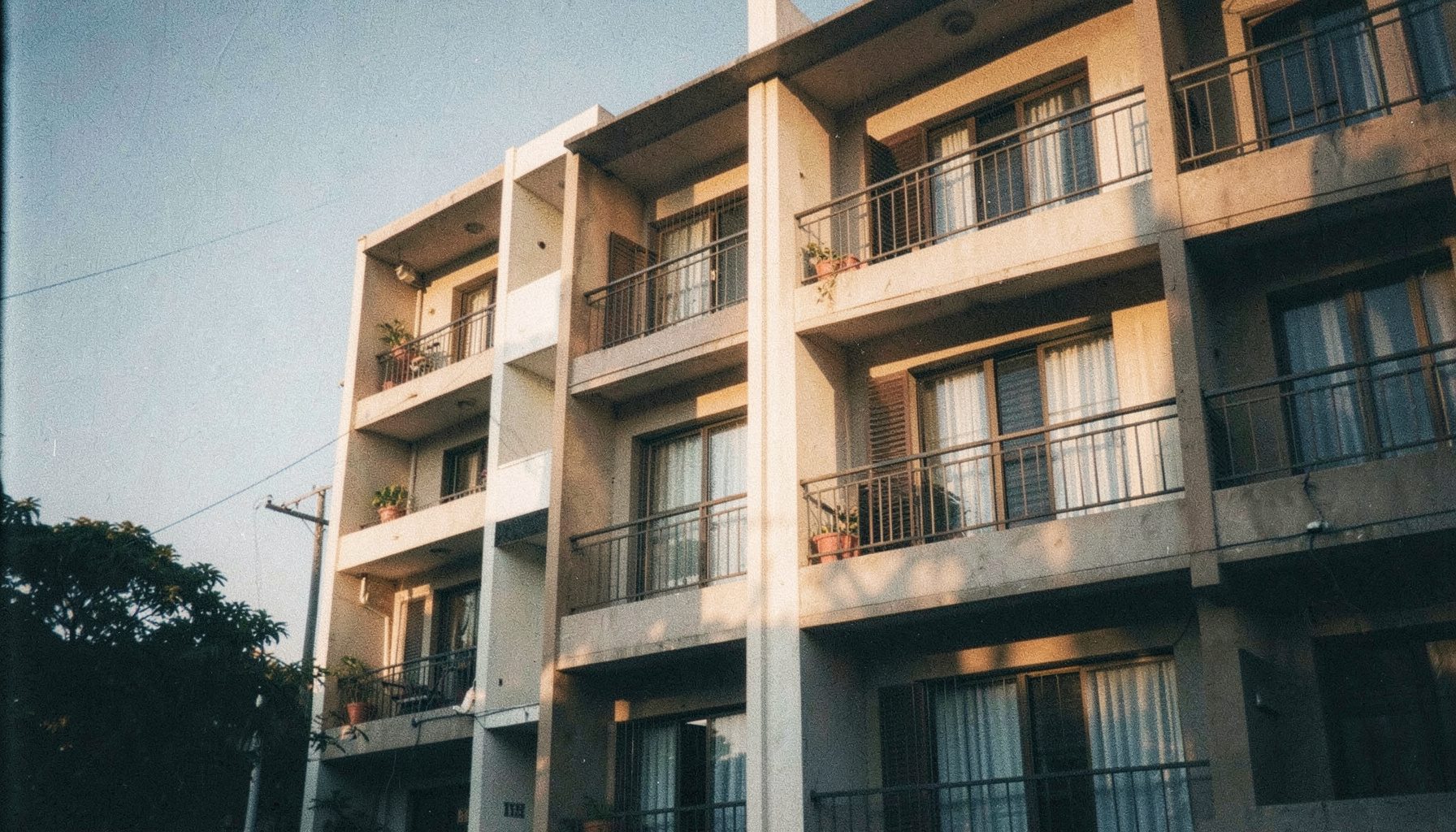
Why Raigad is attracting young homebuyers from Mumbai
For many young professionals in Mumbai, owning a home has become a calculation involving commute time, monthly repayments, usable space and future value. The city offers strong employment opportunities, yet property prices in established neighbourhoods can push a first purchase well beyond a practical budget. Raigad, the neighbouring district stretching across Panvel, Karjat, Khopoli, Pen, Alibag and other growing locations, is increasingly appearing on the shortlist.
The shift is especially relevant for buyers who are willing to trade a central address for a larger flat, a quieter setting or better long-term potential. Raigad is also connected to Mumbai’s wider economic region through highways, rail routes, industrial employment zones and planned infrastructure. For an Australian reader, the decision has a familiar feel: it resembles comparing an apartment close to central Sydney or Melbourne with a more affordable home in a well-connected outer growth corridor.
More space within a manageable budget
The clearest attraction is the difference between Mumbai pricing and Raigad’s entry-level housing market. A compact apartment in Mumbai can require a substantial loan while offering limited living space, little parking and high monthly building charges. In parts of Raigad, the same budget may provide a larger one- or two-bedroom flat, a balcony, dedicated parking or access to a new residential township.
This matters to buyers in their twenties and thirties who are planning around a salary rather than inherited property. A lower purchase price can reduce the loan principal and make the EMI, or equated monthly instalment, easier to fit alongside food, transport, insurance and family commitments. Indian buyers commonly compare the EMI with rent before making a decision, much as an Australian buyer weighs mortgage repayments against rent and strata costs.
Value, however, should not be judged by the advertised price alone. Registration charges, stamp duty, maintenance deposits, parking fees, interiors and moving expenses can materially change the budget. A buyer should request a complete cost sheet and check whether the quoted rate is based on carpet area, built-up area or a broader saleable measurement. Carpet area is particularly important because it describes the usable internal space rather than shared walls and common facilities.
Connectivity is reshaping the commuter belt
Raigad is no longer viewed only as a weekend or second-home destination. Panvel sits at a strategic junction linking Mumbai, Navi Mumbai, Pune and the Konkan region. The Mumbai–Pune Expressway, Sion–Panvel Highway, local rail services and major road upgrades have strengthened the district’s relationship with the metropolitan economy. Locations near Panvel, Kalamboli, Kharghar’s wider orbit, Karjat and Khopoli appeal to people who may work in Navi Mumbai, business parks, logistics, manufacturing or nearby commercial centres.
The upcoming Navi Mumbai International Airport is another major factor in buyer expectations, although construction timelines, access arrangements and eventual transport patterns should be checked through current official sources. JNPT and other logistics activity support employment around the harbour belt, while the Mumbai Trans Harbour Link has changed how some motorists view travel between Mumbai and Navi Mumbai. These projects can improve accessibility, but they do not make every Raigad locality equally convenient.
A daily commute still needs honest testing. A route that looks short on a map may become slow during monsoon traffic, peak-hour congestion or a transfer between rail and road. Buyers should travel from the actual project to their workplace at the time they would normally leave home. Australians will recognise the principle from comparing a home near Parramatta with one farther along a Sydney rail corridor: distance, interchange points and service frequency often matter more than the number of kilometres.
Employment, education and everyday services are catching up
A home purchase becomes more sustainable when the surrounding district supports ordinary routines. Young households want supermarkets, schools, medical clinics, gyms, cafés, childcare, banks and reliable delivery services within reasonable reach. Raigad’s larger urban nodes are developing these conveniences, while new housing projects are often planned with shops, community spaces and internal amenities.
The level of maturity varies sharply from one project to the next. A development may advertise a clubhouse and landscaped grounds but sit far from a hospital, railway station or established school. A buyer should inspect the approach road, drainage, water supply, electricity infrastructure and mobile coverage rather than relying only on a brochure. During the monsoon, low-lying access roads and waterlogging can reveal practical issues that are not obvious in a dry-season visit.
There is also a lifestyle appeal. Green hills, creeks, agricultural land and access to destinations around Alibag and the Konkan coast offer a slower environment than central Mumbai. Some purchasers value the possibility of working remotely for part of the week, provided their building has dependable internet and power backup. This is different from buying an isolated holiday cottage: a permanent home requires year-round transport, services and a functioning local community.
What buyers should verify before committing
A careful search should combine the property listing with independent checks. Young purchasers are often drawn to a low headline price, but legal status, construction quality and possession timing can have a larger financial impact over the life of the loan. Comparing several developments in the same micro-market helps reveal whether a discount reflects genuine value or a location with weak access.
Useful questions to ask include:
- Is the project registered with MahaRERA, and do the promised dates match official records?
- Does the developer have clear title, approved plans and permission for the stated number of floors?
- What are the expected monthly maintenance charges and future sinking-fund contributions?
- Are water, electricity, lifts, parking and internal roads ready or still proposed?
Resale homes need a different form of diligence. Check the society’s records, outstanding maintenance, property tax, occupancy certificate and the seller’s title documents. It is sensible to use an independent property lawyer rather than relying entirely on the developer’s representative or a salesperson. An Australian buyer might compare this with engaging a conveyancer before settlement, although Indian documentation, registration and lender requirements follow their own procedures.
A broker-free search can reduce one layer of cost, but it places greater responsibility on the purchaser. BargainFlatsIndia’s account of buying without a broker illustrates why document checks, price comparisons and direct communication matter when navigating a purchase independently. A zero-brokerage platform can make discovery easier, but it does not replace legal verification or a physical inspection.
Finance, ownership goals and long-term value
Financing is central to the appeal of Raigad. A smaller loan can improve eligibility and leave room for furnishing, emergency savings or future family expenses. Buyers should compare interest rates, processing fees, insurance requirements and part-prepayment rules across lenders. The EMI calculator available through a property platform can help estimate repayments, but the final figure should come from the lender’s written offer and include all associated charges.
First-time buyers also need to understand the difference between buying for occupation and buying for investment. A home near a reliable transport corridor may offer rental demand from employees and students, but rental yields, vacancy periods and maintenance costs must be assessed realistically. A projected capital gain based solely on a future infrastructure announcement is speculation. Infrastructure can lift demand, yet delays, changes in access and competing developments can alter the result.
For an overseas reader familiar with Australian property, ownership costs may feel structured differently. Indian residential transactions commonly involve stamp duty and registration, while apartment societies collect maintenance and may levy charges for amenities, parking or repairs. There is no exact equivalent of treating every apartment building as a standard Australian strata scheme, so the society’s rules and financial statements deserve close attention. Buyers should also clarify whether the quoted price includes GST on an under-construction unit and obtain tax advice where necessary.
Raigad’s strongest case is therefore practical rather than purely promotional. It offers young Mumbai-linked buyers the possibility of a first home with more room, access to expanding infrastructure and a less intense daily environment. The right purchase will depend on a specific corridor, a realistic commute, verified paperwork and a budget that remains comfortable after every ownership cost is included.
How Raigad compares with nearby alternatives
Raigad is part of a larger affordable-housing conversation around Mumbai. Navi Mumbai generally offers more established transport, employment access and civic infrastructure, but many of its better-connected neighbourhoods command a higher price. Palghar can provide lower entry points in selected areas, although the longer distance from central Mumbai may make weekday commuting less practical for some households. A useful comparison of Palghar’s affordable housing shows why buyers should weigh price against travel time and local development.
Within Raigad, micro-location is decisive. Panvel and surrounding nodes may suit buyers prioritising airport, highway and Navi Mumbai access. Karjat can appeal to people who value a greener setting and rail connectivity, while Khopoli may attract households linked to industrial and highway corridors. Alibag and coastal areas are more lifestyle-oriented, though they may be less convenient for a daily Mumbai commute and can involve different infrastructure considerations.
Shortlisting works best when buyers divide their priorities into essentials and preferences. Essentials might include a maximum EMI, a tolerable one-way journey, hospital access and a legally clear project. Preferences could include a view, clubhouse, larger balcony, school proximity or future rental potential. This approach prevents attractive amenities from overshadowing the practical requirements of a permanent home.
Raigad is drawing attention because it sits at the intersection of affordability, regional connectivity and changing lifestyle expectations. For a young Mumbai household, the district can provide a credible path to ownership without abandoning access to the metropolitan economy. The strongest opportunities will be those where the advertised bargain remains sound after commute testing, documentation, finance and everyday living costs are examined.