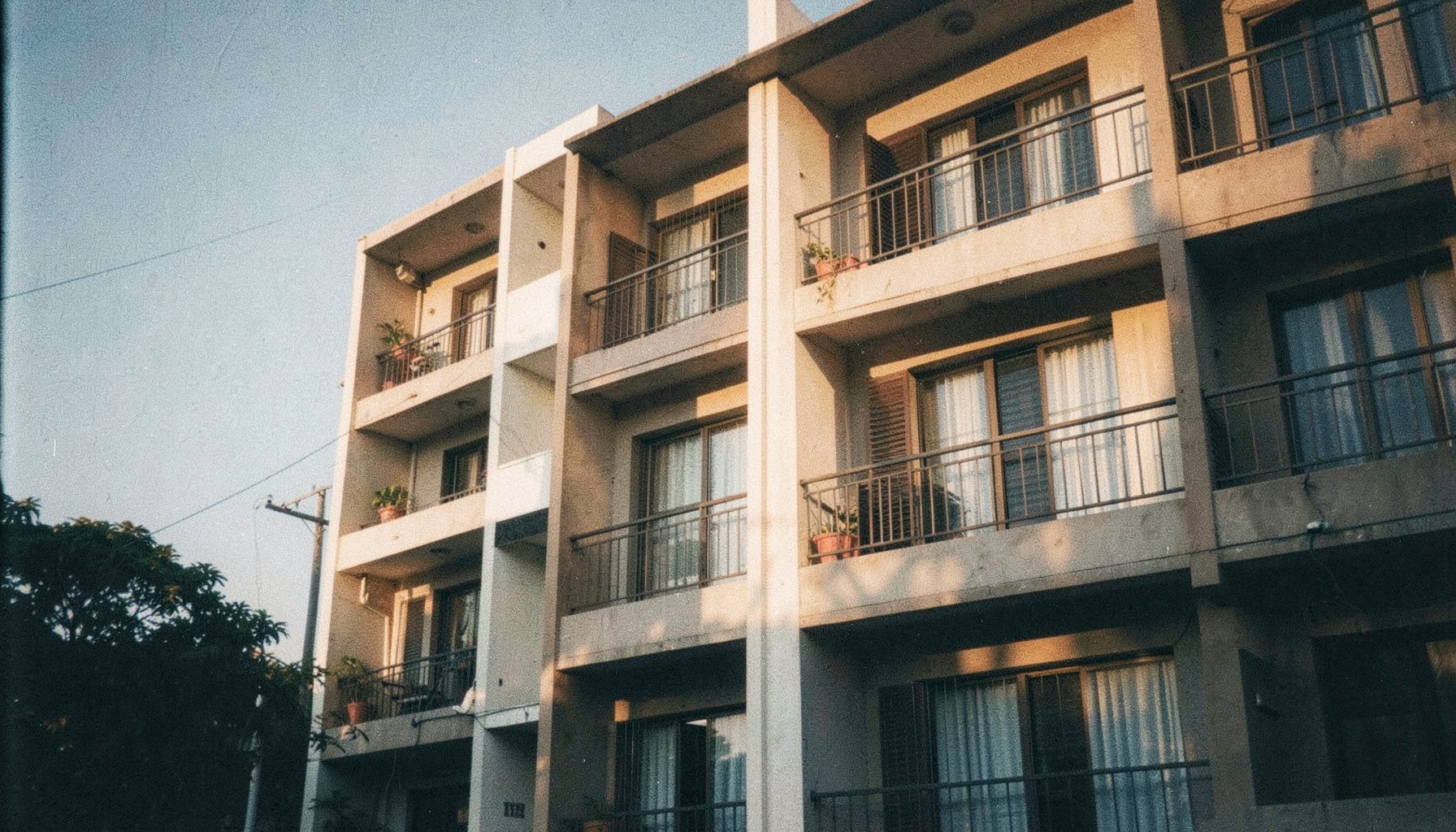
Why Palghar is becoming a budget-friendly haven beyond Mumbai
For Australians weighing up international property purchases, the conversation usually starts with Sydney's median house price nudging past $1.5 million or Melbourne's relentless auction culture. Yet for buyers with a longer horizon and a taste for emerging markets, the western edge of Maharashtra is quietly producing one of the more interesting stories in South Asian real estate. Palghar, a district that was carved out of Thane in 2014, has shifted from a quiet agricultural belt into a contender on the radar of value hunters from across the Indian Ocean.
What makes the region appealing is a combination of low entry prices, upgraded transport links and a landscape that still feels rural. Property professionals in Mumbai have watched the eastern and northern corridors densify for decades, but the north-western stretch toward Gujarat has remained under the radar. That is starting to change, with developers, second-home buyers and NRIs paying closer attention to towns such as Vasai, Boisar and the district headquarters of Palghar itself.
Affordability in a regional context
Palghar's headline advantage is price. Where a one-bedroom apartment in a tower in central Mumbai can still command prices that leave Mumbai-born professionals renting into their forties, flats in Palghar district sit at a fraction of that ticket. Studio and one-bedroom units in newer projects along the Western Railway line have been advertised in the low-to-mid twenty lakh range, with two-bedroom configurations not stretching much past fifty lakh in many localities. For an Australian accustomed to scraping together a deposit in Brisbane or Perth, the entry point is strikingly low.
The gap becomes starker when stacked against the closest comparable corridors. Dombivli and Kalyan, the traditional affordable end of the Mumbai suburban rail network, have themselves seen double-digit appreciation over the last five years as infrastructure projects have moved east. Palghar lies further up the line and benefits from being just late enough to the party to retain genuinely affordable pricing. Resale apartments in established pockets of Boisar and Palghar town are routinely listed at levels that would barely cover a stamp duty bill in a Sydney suburb like Parramatta or Blacktown.
There is also a behavioural shift to consider. Indian buyers have long been willing to commute ninety minutes each way on locals, and the post-pandemic era has normalised working from home for many white-collar workers. That has loosened the geography of affordable housing, spreading demand outward from the traditional growth hubs and into longer-haul corridors that include Palghar.
Infrastructure upgrades changing the map
For a long time the single biggest brake on Palghar's growth was connectivity. The Western Railway line did serve the district, but local infrastructure beyond the stations was patchy, and road connections to Mumbai were at the mercy of the busy Mumbai-Ahmedabad highway. That picture is improving quickly. The Mumbai-Ahmedabad bullet train project, the widening of the Vadodara-Mumbai expressway and several state highway upgrades are all moving through the planning and construction stages.
The local road network inside Palghar is also receiving attention. New internal ring roads, bridge upgrades and water supply projects have been tendered as part of state-led schemes, while private developers are funding internal boulevards within larger township projects. The district also benefits from a coastline that has, until recently, been almost entirely devoted to fishing villages and the occasional beach weekend. Plans for water-bound tourism circuits and coastal road linkages are slowly turning the Arabian Sea frontage into a residential asset rather than just a scenic one.
How does this stack up against other commuter belts? The table below compares Palghar with three of the better-established affordable zones around Mumbai.
| Corridor | Typical 1BHK price (INR) | Main line or road to Mumbai | Recent annual price movement |
|---|---|---|---|
| Navi Mumbai (Vashi–Belapur) | ₹45L–₹75L | Harbour line, upcoming metro | 6–8% |
| Thane / Dombivli | ₹30L–₹55L | Central line, Ghodbunder Rd | 7–9% |
| Vasai–Virar | ₹25L–₹40L | Western line, no metro yet | 6–9% |
| Palghar district | ₹18L–₹32L | Western line, expressway upgrades | 8–12% projected |
For someone comparing this with their own city back home, the parallel is the kind of infrastructure-driven uplift that transformed parts of Western Sydney a generation ago. Areas that were once considered "too far" gradually became reasonable commuting territory once the motorway network filled in the gaps. Palghar sits in a similar phase of its life cycle, with the heavy lifting already announced and visible progress on the ground.
Lifestyle, climate and natural setting
Affordability alone rarely moves the needle for buyers who also want a reasonable quality of life. Palghar scores reasonably well on that front. The district is bordered by the Western Ghats on its eastern flank and the Arabian Sea on its west, which gives it a geography that includes beaches, mangrove creeks, forested plateaus and a handful of historic forts. Climate is noticeably cooler than central Mumbai during the monsoon, and the air quality tends to be cleaner because industrial density is lower.
Town planning in newer developments has followed the township model common to peripheral Indian cities, with gated communities offering clubhouses, swimming pools, jogging tracks and landscaped parks. For families moving out of denser suburbs, the shift in daily rhythm is significant. Children can play outdoors more freely, grocery runs feel less rushed, and weekend options include both the coast and the hills rather than simply a mall.
Australians often recognise this trade-off through the cultural idea of a tree change or sea change, the move from a capital city to a regional town for space and affordability. Palghar occupies a similar niche for the Mumbai metropolitan region. The same logic that sends a Melbourne professional to Daylesford or a Sydney family to the Central Coast is playing out across the Arabian Sea, with buyers trading commute time and urban buzz for square footage, gardens and a slower pace.
A look at investment potential
From a pure investment lens, Palghar has the kind of profile that appeals to long-horizon buyers. Entry prices are low enough that capital at risk stays modest, and there is a credible pipeline of infrastructure works that should support gradual price growth. Rental demand is driven by the industrial belt around Tarapur, the chemical and engineering workforce in Boisar, and an emerging cohort of remote-working professionals choosing lifestyle over central addresses.
Yields on rental property in Palghar are not blockbuster by global standards, but they tend to be stable because local employment is diversified across manufacturing, services, agriculture and a growing education sector. The presence of multiple universities and colleges in the district, including agricultural and engineering campuses, provides a steady student rental market that cushions against vacancy spikes.
The other lever is appreciation. Historically, areas that pick up early-stage metro and highway connectivity tend to see a two-phase price move. The first phase comes from speculative buying once the project is announced, and the second comes from end-user demand once the asset is operational. Palghar sits somewhere in between those phases for several of the larger projects, which suggests the next leg of growth is more likely to be slow and steady rather than vertical.
Practical considerations for Australian buyers
For Australians specifically, the practical side of buying in Palghar is becoming smoother but still warrants care. Currency exchange is a meaningful factor. A property at fifty lakh rupees, currently around AUD 95,000 to AUD 100,000 depending on the day, sits in a price band where exchange rate movement can shave several thousand dollars off the effective cost or add to it. Forward contracts through a foreign exchange broker can help hedge that exposure for buyers funding their purchase gradually.
Legal due diligence remains the most important step. Title verification, encumbrance checks, builder track record, RERA registration and clear land-use zoning all need to be reviewed independently of any marketing material. Buyers should also be clear about how the property will be held, whether through an NRI account, a power of attorney arrangement, or a direct purchase structure, and they should account for ongoing costs such as municipal taxes, society maintenance and occasional repatriation rules for rental income.
It is also worth reading the platform disclaimer on how listings are sourced and verified before treating any specific project as a recommendation. The fine print around brokerage, representation and verification differs significantly from the buyer-agent model that Australians may be familiar with through agencies in Sydney or Melbourne, where commissions and disclosures are heavily regulated.
Finally, a candid look at exit liquidity is essential. Palghar is still building its resale market, which means finding a buyer at a desired price can take longer than in established Mumbai suburbs. Patience, a willingness to hold through one full infrastructure cycle, and a realistic appreciation target of single-digit to low-teens annual growth over a five-to-seven-year window tend to align better with the district's actual trajectory than aggressive short-term price expectations.