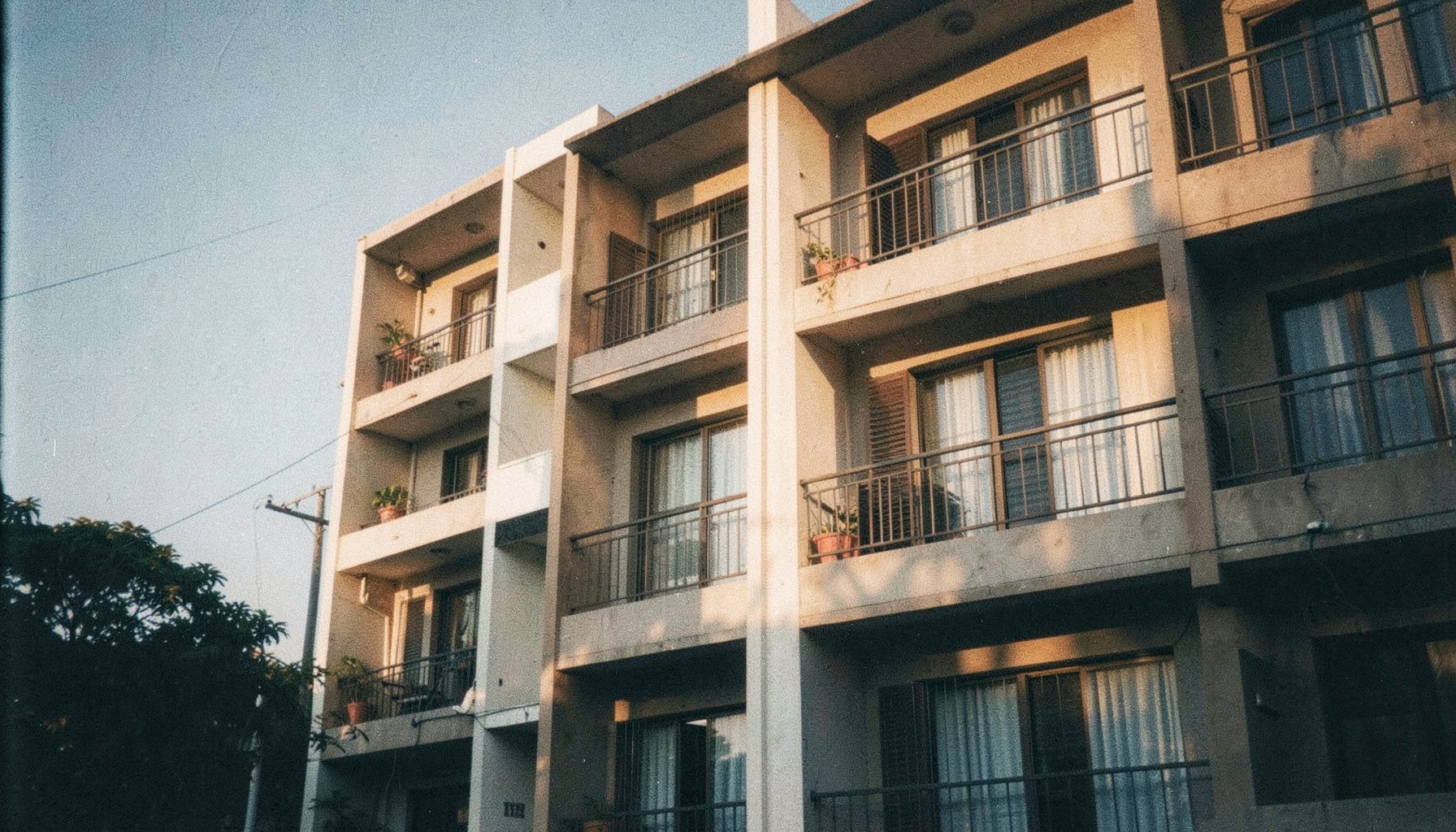
Financing a Second Home in Lonavala With Confidence
Lonavala appeals to buyers who want a cooler weekend base within reach of Mumbai and Pune. Hill views, monsoon greenery, resort-style communities and improving road access make the area attractive for personal retreats, long weekends and selected short-term rental opportunities. For an Australian buyer, however, purchasing a holiday flat in India involves more than comparing the advertised price with an Australian dollar budget.
Financing a second home in Lonavala requires careful planning around currency movements, loan eligibility, Indian property law, construction quality and ongoing ownership costs. A property that looks inexpensive at the listing stage can become much less affordable after taxes, furnishing, maintenance, insurance, loan fees and the practical cost of managing a home several thousand kilometres away.
Set a Realistic Lonavala Budget
Begin with the total acquisition cost rather than the property’s headline price. In addition to the negotiated consideration, allow for stamp duty, registration, legal review, lender processing fees, valuation, GST where applicable to an under-construction property, furnishing and possible society deposits. A completed resale home may have different tax and documentation requirements from a new apartment purchased directly from a developer.
The Australian dollar–Indian rupee exchange rate deserves particular attention. Your deposit may be converted at one rate, while later instalments or loan repayments may occur at another. A movement in the rupee can materially change the amount required in Australian dollars. Keeping a separate currency buffer, rather than using every available dollar for the deposit, helps protect the purchase from exchange-rate volatility.
Include a reserve for the first year of ownership. Lonavala’s damp monsoon conditions can expose weaknesses in waterproofing, drainage, paint, plumbing and electrical systems. A practical reserve should cover repairs, furnishing replacement, association charges, security, cleaning between stays and travel for inspections. If the home is intended for weekend use, budget for a local caretaker instead of assuming family members or a distant agent will handle every issue.
Choose the Right Borrowing Structure
Indian banks and housing finance companies may lend to eligible non-resident Indians and overseas citizens of Indian origin, subject to identity, income, remittance and property-document requirements. Loan approval can depend on whether the buyer is an NRI, OCI holder or foreign national, as well as the location and legal status of the property. A specialist Indian lender can explain the permitted repayment route and documents before you pay a non-refundable booking amount.
An Australian bank will generally be more comfortable lending against Australian residential security than taking an Indian apartment as direct mortgage security. Some buyers therefore consider an increased loan against their Sydney, Melbourne, Brisbane or Perth home, or use available equity. That approach can simplify the Indian purchase, but it also places the Australian property at risk if repayments become unaffordable. An Australian mortgage broker and an Indian property-finance adviser should assess the arrangement separately.
Compare the effective cost, not only the interest rate. Check whether the Indian loan is floating or fixed, how often the rate can reset, whether part-prepayment attracts a charge, and whether the lender uses a reducing-balance calculation. For an Australian borrower, a familiar offset account may provide flexibility at home, while an Indian loan could offer a better currency match for local expenses. The most suitable structure depends on income, residency, tax position and risk tolerance.
Verify Rules for Overseas Buyers
Property ownership in India is governed by foreign-exchange rules, and eligibility varies by nationality and status. An Australian citizen with an OCI card may have different purchase rights from an Australian citizen without Indian origin. Residential property, agricultural land, plantation property and farmhouses are treated differently. Do not rely on a sales representative’s verbal assurance that any property can be purchased by an overseas buyer.
Use an independent Indian solicitor to review the title chain, encumbrances, approved plan, land-use status, completion or occupancy certificate and the seller’s authority to transfer the home. For a new development, check the project’s registration and disclosures under the relevant state real estate framework, including delivery commitments and promised amenities. The lawyer should confirm that the unit, access road, parking allocation and common areas are described consistently across the agreement and approved records.
Australian tax obligations also need advance advice. The Australian Taxation Office generally expects Australian tax residents to report foreign rental income, and foreign property can have Australian capital gains tax implications even when the asset is located overseas. A double-tax agreement may affect how tax paid in India is treated, but the result depends on personal circumstances. Keep records of purchase costs, exchange rates, loan interest, improvements, rental income and selling expenses from the beginning.
Assess the Hill Property Beyond the View
A panoramic outlook is valuable only if it remains accessible, legally protected and physically safe. Ask whether the view depends on undeveloped land that could later be built on, whether nearby construction is approved, and whether the apartment faces a permanent valley or a future road, tower or resort. Marketing terms such as “mountain-facing” can describe a partial view from a higher floor rather than the uninterrupted outlook shown in promotional images.
Inspect the slope, retaining walls, stormwater channels and road approach during or soon after heavy rain if possible. Lonavala receives intense monsoon rainfall, so water ingress, erosion, blocked drains and slippery access can create recurring costs. A structural engineer should examine villas and independent houses, while an experienced building inspector can assess apartment seepage, terraces, basements, lifts and fire-safety systems.
Travel access affects both personal enjoyment and rental performance. A home that is convenient from Mumbai or Pune may still be difficult to reach on peak weekends, public holidays or during road works. Check parking dimensions, turning space, emergency access, mobile coverage, internet reliability, water supply and power-backup arrangements. Australians accustomed to established strata records and predictable utility services should request equivalent evidence rather than assuming a resort development provides them automatically.
For a sense of how nearby value propositions are being marketed, review Pebblebrook Village homes as a separate comparison point rather than treating any single project’s brochure as a complete market picture. Compare usable floor area, access, amenities, construction stage and recurring charges across several Lonavala developments.
Calculate Ownership and Rental Economics
A second home can serve several purposes: private use, occasional family accommodation, capital preservation or rental income. Decide which purpose has priority before selecting the property. A compact, easy-to-maintain apartment may suit weekend visits and managed holiday letting, while a larger villa could provide a better family experience but involve higher maintenance, staffing, security and vacancy risk.
Do not build the loan repayment plan around optimistic short-term rental projections. Income can vary by season, weather, local events, platform fees, cleaning, furnishing damage, property management and restrictions imposed by the residents’ association. Confirm whether short-stay accommodation is permitted under the sale agreement, society rules and local regulations. Also establish who will collect money, issue invoices, handle guest identification and remit taxes.
Regular expenses can include society or township charges, sinking-fund contributions, municipal taxes, insurance, pest control, internet, electricity, water, cleaning and repairs. A property near a lake, forested slope or heavily landscaped complex may have higher upkeep than a conventional city apartment. Ask for recent maintenance statements and the association’s budget, arrears position and planned major works.
Research demand across the wider region rather than relying on one broker. Buyers may also compare Lonavala with Karjat, Khandala, Alibaug, Navi Mumbai or the more affordable corridor around Palghar. This Palghar market guide can help place nearby pricing and connectivity discussions in a broader Maharashtra property context, although each market has different rental drivers.
Compare Finance Before Signing
Request written loan illustrations using conservative assumptions. Model repayments at a higher interest rate, include a weaker Australian dollar, and test the budget if rental income is zero for six months. If borrowing against an Australian home, account for existing mortgage commitments, variable-rate changes and the possibility that the Reserve Bank of Australia’s cash-rate decisions could affect household cash flow.
Keep the deposit source clear and traceable. Indian lenders may require evidence of remittance through permitted banking channels, while Australian banks may ask about the purpose of an overseas transfer. Avoid informal cash arrangements or payments to unrelated individuals. Use regulated financial institutions and retain bank advice, receipts, contracts and tax records.
The most attractive loan is not necessarily the one with the lowest advertised rate. A slightly higher rate with transparent fees, practical prepayment terms and a lender familiar with NRI documentation may reduce execution risk. Conversely, an equity release in Australia may offer convenience but expose your primary residence to a cross-border investment decision. Professional advice is worthwhile before selecting either route.
Use a Disciplined Purchase Checklist
Before paying a booking amount, organise the transaction around written evidence and independent verification. The following checks are especially useful for Australians buying a hill-view residence in Maharashtra:
- Confirm your eligibility to acquire the property under Indian foreign-exchange rules and obtain written lender guidance.
- Have an independent lawyer verify title, approvals, encumbrances, project registration and the exact property boundaries.
- Obtain a building, drainage and monsoon-risk inspection, including retaining walls, waterproofing, access roads and backup utilities.
- Model repayments, taxes, maintenance and vacancy using an exchange-rate and interest-rate buffer.
- Appoint a local manager only after checking fees, authority, reporting standards, insurance and short-term letting permissions.
Funding routes differ in security, flexibility and exposure. A simple comparison can help identify which structure deserves detailed advice before contracts are exchanged.
| Funding route | Main advantage | Principal risk | Useful for |
|---|---|---|---|
| Indian NRI or OCI home loan | Borrowing and repayments align with the Indian asset and currency | Eligibility, documentation and variable-rate requirements | Buyers with qualifying status and Indian income or remittance capacity |
| Australian home-equity release | Familiar lender process and potentially faster access to funds | Australian home secures an overseas investment; currency mismatch remains | Owners with substantial equity and stable Australian cash flow |
| Cash purchase | No loan interest or lender approval delay | Capital is tied up and currency timing can be costly | Buyers with ample liquid savings and a long holding period |
| Combination of savings and borrowing | Preserves some liquidity while limiting debt | More complex planning and multiple cost structures | Buyers seeking a balanced deposit and emergency reserve |
| Developer-linked finance | May coordinate with construction milestones | Promotional rates, delays or contract conditions may obscure the true cost | Buyers purchasing a verified new project with independent legal review |
A hill-view property should earn its place in your finances through sound documents, manageable repayments and dependable access—not through scenery alone. Treat the purchase as an overseas investment and a personal-use asset at the same time, and the decision will be easier to evaluate with clarity.