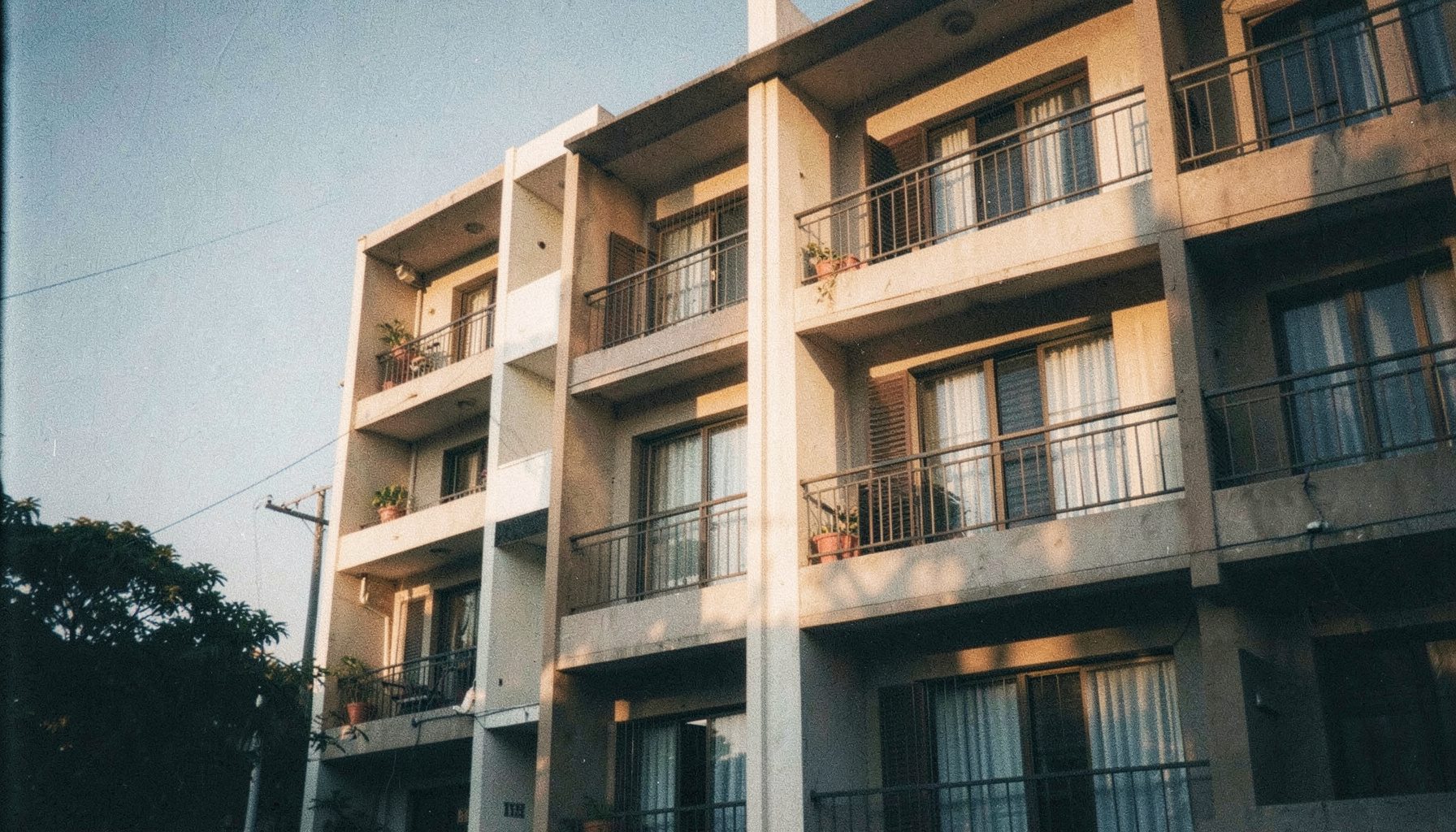
Duplex vs. penthouse in Pune: Which luxury option is right?
Pune’s luxury property market spans compact high-rise apartments in Hinjewadi, Kharadi and Baner, spacious residences in Bavdhan and Pashan, and villa or township developments toward Mulshi. Within that range, a duplex and a penthouse can command similar prestige while offering completely different daily experiences. The better option depends on usable space, privacy, location and running costs rather than the marketing label.
Australian buyers will recognise some familiar elements: apartments, balconies, shared gyms, gated parking and high-rise living are routine in Sydney, Melbourne and Brisbane. The comparison still needs translation, however, because Pune apartments are commonly sold by carpet area, charged maintenance can differ from body-corporation fees, and a Pune duplex may be a villa, row house or apartment with two levels.
Pune’s luxury property landscape
Pune’s luxury segment is shaped less by a formal definition than by location, scale and project quality. A large duplex in an established western corridor may provide more land and parking than a central penthouse, while a boutique penthouse can command a premium for its skyline position, private lift and entertaining terrace.
Floor level is only one factor. View, structural design, carpet area, ceiling height, natural light, kitchen quality, parking and the health of the residential society can move a property up or down the market. A penthouse is not automatically more expensive, and a duplex is not automatically more private.
Neighbourhood matters just as much. Kharadi suits buyers wanting established services and business access; Hinjewadi offers a mix of IT offices, township amenities and newer projects; Baner combines established dining and schools with expanding residential supply. A site visit should reveal traffic, construction activity and the actual condition of surrounding buildings.
Duplex space, privacy and daily rhythms
A duplex separates living spaces across two levels. The lower floor often holds the entrance, kitchen, living room and guest area, while bedrooms sit upstairs. This arrangement can give families better separation between work, rest and visitors, and stairs provide an acoustic break without requiring a detached house.
For households used to Australian townhouses, that layout may feel immediately familiar. The appeal is stronger where a home includes a private terrace, garden, courtyard or multiple-car garage. It also suits people who work from home, provided the upper-floor study has adequate light, ventilation and a reliable internet connection.
Watch the circulation details. A narrow staircase, low headroom, awkward landing or lift serving only some levels can reduce comfort for older residents. Compare the carpet area with usable floor area, then check whether furniture fits the dimensions shown in the plan. A two-level label adds little if everyday movement feels cramped.
Penthouse views, entertaining and building life
A penthouse places most or all living space on a high floor, often with a broad terrace and expansive views. The single-level arrangement is useful for parties, exercise, family gatherings and residents who prefer not to use stairs. Large windows and an open kitchen can make a comparatively compact apartment feel generous.
The terrace becomes especially important in Pune’s climate. Summers are hot, and the monsoon brings heavy rain, so waterproofing, drainage, covered outdoor space and reliable power for fans or air-conditioning deserve attention. Melbourne’s cooler summers or Sydney’s coastal rain may make an Australian buyer appreciate a covered terrace differently from a permanently sunny balcony.
Privacy still depends on the building. Neighbours may share elevators, lobby space and roof access even when the living floor feels secluded. Ask whether the lift opens directly into the residence, whether there is a separate service route, and whether the terrace can be reached without crossing a common area.
Location and the reality of commuting
Duplex projects often occupy larger plots on the urban edge, which can mean gardens, wider roads, dedicated parking and space for guests. Central penthouses usually trade those benefits for shorter distances to offices, restaurants and cultural venues. A premium apartment cannot compensate for a punishing commute if your work or school run sits on the other side of Pune.
Australian transport habits offer a useful comparison. Sydney commuters depend heavily on rail, Melbourne combines trams and trains, and many Brisbane households still drive. Pune may involve a mix of metro lines, buses, cars and two-wheelers, with peak-hour bottlenecks varying sharply by corridor. Check travel time at the hour you would actually travel, not at an unusually quiet Sunday morning.
Future development can alter that equation. A new road, metro extension or retail complex may improve access, but it can also bring noise, dust and traffic. Examine the approved local plans, inspect the approach road during rush hour and ask residents which routes they use. The most luxurious view is less valuable when every journey begins with a long queue at the gate.
Ownership costs, approvals and legal checks
A duplex purchase in Pune generally involves the same core checks as an apartment: seller title, land or project records, approvals, encumbrances, society permissions, parking rights and the status of the occupancy certificate. MahaRERA registration can provide a project-level reference, but it does not replace independent title or construction verification. Obtain and read the documents rather than treating the registration number as a guarantee.
For an Australian, the strata-tower comparison is useful, but the law is different. In New South Wales, community and apartment buildings operate under the Owners Corporations Act 2023 and a strata plan. That framework explains body-corporation levies, rules and committee functions in a familiar way, while Pune ownership and society procedures must be assessed under Indian and Maharashtra law. A qualified local property lawyer should review the sale deed, approvals and payment trail.
Budget for more than the advertised rate. Depending on the transaction, stamp duty, registration, GST treatment, home-loan charges, society maintenance, parking and a maintenance deposit may apply. Ask whether the quoted price is inclusive, what each recurring charge covers, and whether water, electricity and common-area services are separately billed. An EMI calculator gives a useful monthly estimate, but the assessment should include several realistic interest-rate scenarios.
Amenities, security and long-term comfort
Both options can sit within a gated complex offering a gym, pool, clubhouse, children’s play area, landscaped grounds and visitor parking. The difference is the balance between private and shared life. A duplex with a garden may feel calmer for children and pets, while a penthouse gives its residents immediate access to the club floor and skyline views.
Service continuity is especially relevant in a high-rise. During outages, ask about generator capacity, common-light coverage, lift operation, water supply and the estate’s monsoon drainage. Australian apartment residents often rely on body-corporation management for these systems; in Pune, the developer’s promises, the society’s finances and the resident committee can have a comparable effect on daily comfort.
Review facilities as operating businesses rather than marketing images. Confirm opening hours, staffing, maintenance schedules, membership rules and charges. A crowded gym or closed pool signals a larger management issue, while a well-used clubhouse may create a stronger community. Visit at different times and speak privately with residents about noise, security and service quality.
Investment value and choosing with confidence
Investment performance depends on rentability, resale depth, developer reputation and the ongoing levy, not simply whether a property is called a penthouse. A duplex may appeal to a wider family rental pool but carry higher upkeep for a large plot and staircase. A penthouse may earn a scarcity premium in a well-connected tower, although service charges and a smaller target buyer pool can affect net returns.
Completion status changes the risk profile. A useful comparison of ready-to-move and under-construction homes highlights the trade-off between immediate occupation and future completion, but it must be adapted to each developer and Pune micro-market. BargainFlatsIndia’s zero-brokerage listings, property filters and comparison tools can help buyers review multiple options without confusing a promotional starting price with the final possession cost.
The best fit is usually clear. Choose a duplex when private space, multiple bedrooms, a garden or parking matter most, and accept the compromise of stairs, shared services and potentially a longer commute. Choose a penthouse when open-plan living, high-floor views, entertaining and central convenience dominate, and budget carefully for levies, lift reliance and weather exposure. In either case, judge the total monthly cost, legal cleanliness and daily commute alongside the photographs and headline status.