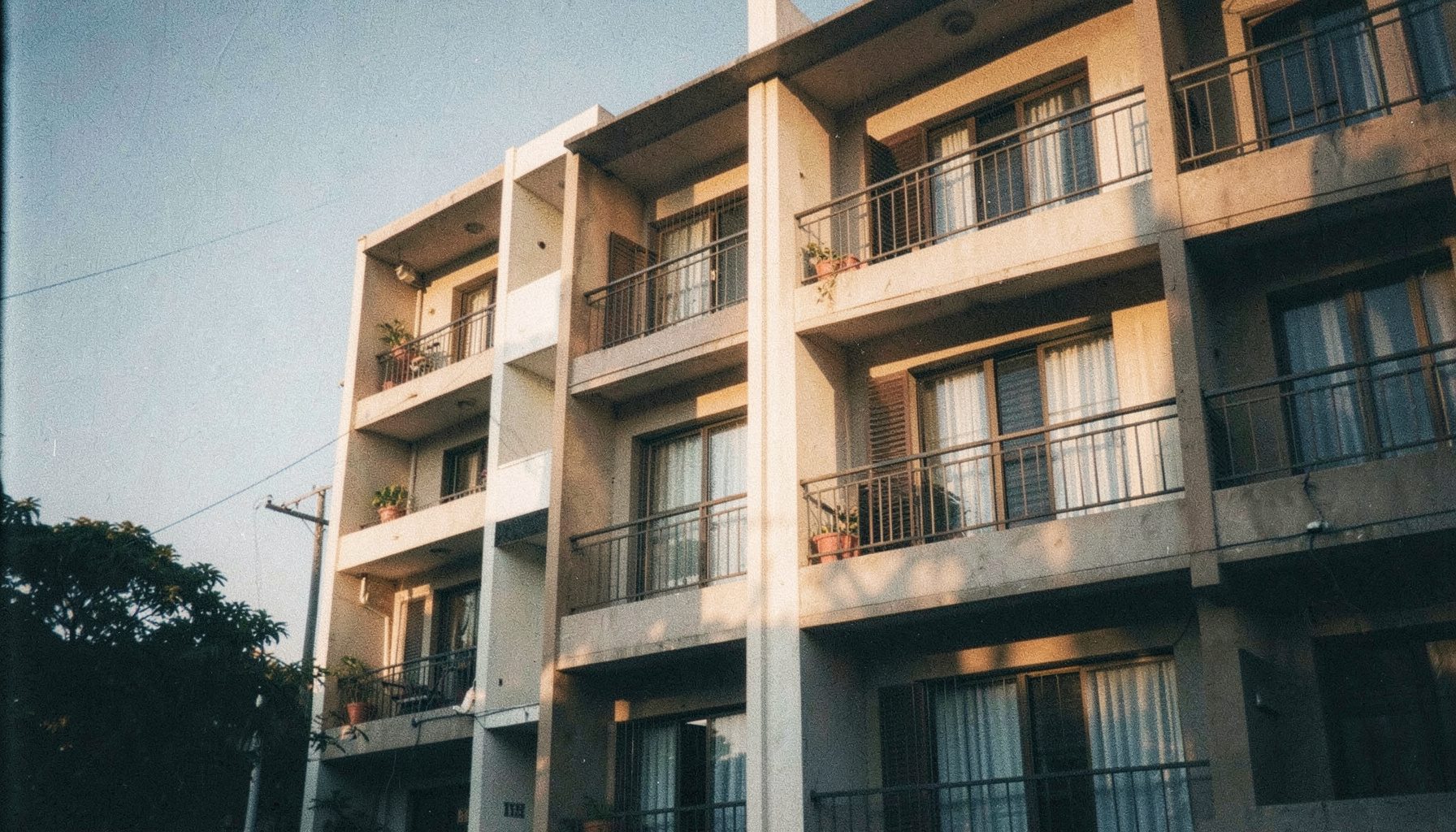
How to Evaluate Lighting and Ventilation in a House Hunt
Good lighting and ventilation determine whether a home feels comfortable after the walk-through ends. They affect sleep, cooking, concentration and the cost of keeping a room cool. This matters across Indian residential markets: a Navi Mumbai apartment may face sea breeze and tower shadows, a Pune home may need relief from intense summer heat, and a coastal villa can receive heavy monsoon rain. Australian buyers should judge those local conditions rather than rely on a pleasant first impression.
Begin by separating daylight from brightness, and ventilation from a working ceiling fan. Daylight should reach the spaces where you will read, cook and sleep; ventilation should remove heat, moisture and indoor pollutants. A west-facing lounge can be bright yet intensely hot, while a sealed, air-conditioned bedroom may feel pleasant until the power fails. BargainFlatsIndia’s zero-brokerage model can simplify direct access to sellers and developers, but it does not remove the need for an independent assessment.
Plan the assessment before visiting. Record the property’s orientation, window positions, room layout and weather conditions, then use the same observations for every shortlisted home. This is especially valuable when you are viewing from overseas, because a short video rarely reveals changing shade, wind direction or monsoon leakage. The following criteria provide a consistent basis for comparison.
| Check | What to observe | Favourable signal | Warning sign |
|---|---|---|---|
| Daylight | Sun patches, glare and shadows from neighbouring buildings | Even light reaches usable areas | Harsh glare, dark corners or constant lamp use |
| Air circulation | Air movement between opposite openings | A noticeable breeze with windows open | Still air despite clear window access |
| Room layout | Bed placement, cooking fumes and bathroom damp | Air and light reach working spaces | Odour, condensation or blocked ventilation |
| Orientation | Sun path, heat gain and rain exposure | Comfort during the relevant season | Severe afternoon heat or wind-driven rain |
| Building condition | Ceiling stains, window seals and exterior walls | Dry surfaces and properly fitted openings | Damp patches, mould or persistent musty smells |
Read the Floor Plan and Orientation
Request the floor plan and establish a compass direction for the property rather than relying on a vague label such as “east-facing”. Mark each window, balcony, internal door and major source of shadow. For an apartment, also identify the lift lobby, service core and adjoining walls; these can restrict airflow and make one bedroom darker than its size suggests. A villa needs the same scrutiny around its boundary walls, setbacks and neighbouring construction.
Translate local experience carefully. In much of southern and western India, north-facing rooms often receive gentler midday light, while west-facing rooms collect harsh afternoon sun. Australian buyers frequently prize a north-facing living area, so a rule carried over from Sydney can be misleading. Ask the seller or developer how the unit performs in the hottest part of the day and during monsoon weather, rather than treating an aspect as a guarantee.
Height and spacing matter as much as direction. Closely spaced towers in Navi Mumbai can create a wind-tunnel effect, while a broad open layout in Palghar may invite stronger airflow but also wind-driven rain. Check whether a room’s usable window area is adequate for its floor area, and whether security grilles or permanently closed glazing have reduced the effective opening.
Visit at Revealing Times of Day
Visit at different times, or request videos captured at fixed times such as late morning, mid-afternoon and after sunset. Watch where sunlight falls, how far shadows from neighbouring blocks extend and whether a room becomes unusably bright. A first viewing at one pleasant hour can conceal an entire afternoon of glare. Repeat the visit in poor weather if possible, and note whether the agent or seller appears comfortable with that request.
Test the room sequence that matters after the viewing. Enter the bedrooms before the living area to check privacy, then visit the kitchen while it is being used, if possible, to see how cooking smells and steam move. Ask whether the property “gets lovely afternoon sun”, a familiar phrase in Australian open homes, and follow it with a specific question about which windows receive it and for how long.
Weather acts as a revealing stress test. After rain, look for dark ceiling patches, swollen window frames, damp skirting and a musty smell near cupboards or external walls. Melbourne’s changeable skies and laneway apartments offer a useful local comparison: a room that seems airy in mild weather can still trap cooking fumes when the opposite openings are closed.
Test Airflow, Odours and Mechanical Support
Open windows on opposite sides and doors between rooms, then stand near an opening and feel for air movement. A light tissue or strip of paper can make a still room more obvious. This cross-ventilation check is more informative than judging airflow from a ceiling fan alone. Switch off the air conditioner temporarily where safe, since recirculating cool air can create a false sense that a window or mechanical exhaust system is working.
Inspect the mechanical support. Kitchen and bathroom exhaust fans should discharge outdoors, not into a shaft or void, and you should hear steady airflow when they run. Ask whether split air conditioners bring in outdoor air or recirculate indoor air, and whether the building has pressurised corridors or a heat-recovery ventilation system. In dense urban locations, filtered mechanical supply can matter greatly when dust, traffic emissions or nearby construction restrict natural ventilation.
Balance the strategy with the climate. Brisbane’s humid summers make ceiling fans and effective cross-flow particularly valuable, much like the coastal districts around Mumbai. Melbourne apartments often rely on ducted heating and cooling, so a high ceiling and operable window may compensate for limited glazing. Confirm which systems are included, their operating cost and whether damp air can condense on nearby surfaces.
Use Listings as Evidence, Not Decoration
Use platform tools to compare options consistently. BargainFlatsIndia covers new projects, resale homes and rental properties across Mumbai, Navi Mumbai, Pune, Raigad, Palghar and Lonavala, with search and comparison features suited to shortlisting. For a rental, additional rental listing results can provide a wider price and neighbourhood benchmark, although the city, area definition and included charges must match before the figures are compared.
Normalise the property details before judging differences. Indian listings may quote carpet area, while Australian buyers often compare internal floor area in square metres; confirm which measurement is being used. Check whether two homes have the same number of windows, the same floor level and the same direction of outlook. An EMI calculator can clarify affordability, but it says nothing about daylight, drafts or ventilation capacity.
Read the surroundings as carefully as the room. A clean living room near a main road, railway line, construction site or waste area may still suffer noise, dust or poor airflow. Australian property conversations routinely include traffic, school catchments and train-line proximity; apply that same scrutiny to Navi Mumbai’s road network, Pune’s building activity and Lonavala’s seasonal traffic. The label “good location” is not a substitute for a site visit at busy hours.
Build a Reliable Site-Visit Checklist
Treat every viewing as evidence, and an attractive listing description as a claim to test. Australian purchases commonly involve a building inspection, and property transactions may also involve a conveyancer, whereas an Indian zero-brokerage arrangement still benefits from independent scrutiny. If travelling is impractical, commission a local inspector or trusted representative to attend, take photographs and record the weather and time. Do not let a remote purchase substitute a general video tour for a room-by-room check.
A disciplined visit can be reduced to these practical actions:
- Record the compass direction, window positions, floor level and time of each visit beside the floor plan.
- Return at another time of day, comparing shade, glare, heat and noise instead of relying on the first impression.
- Open opposite windows, test cross-flow with a tissue and check that kitchen and bathroom fans discharge outdoors.
- Look for damp, mould, ceiling stains, blocked vents, window condensation and signs that alterations have sealed key openings.
- Ask for the approved floor plan, waterproofing records and a clear explanation of every mechanical ventilation system.
For a remote purchase, request a dated video and the same documents, with permission to verify the exact flat shown. Private sellers can post your property with complete light, window and ventilation details rather than vague claims. A property that remains comfortable through changing light, moves fresh air across its rooms and shows no signs of damp or overheating offers more reliable evidence than the most flattering listing description.