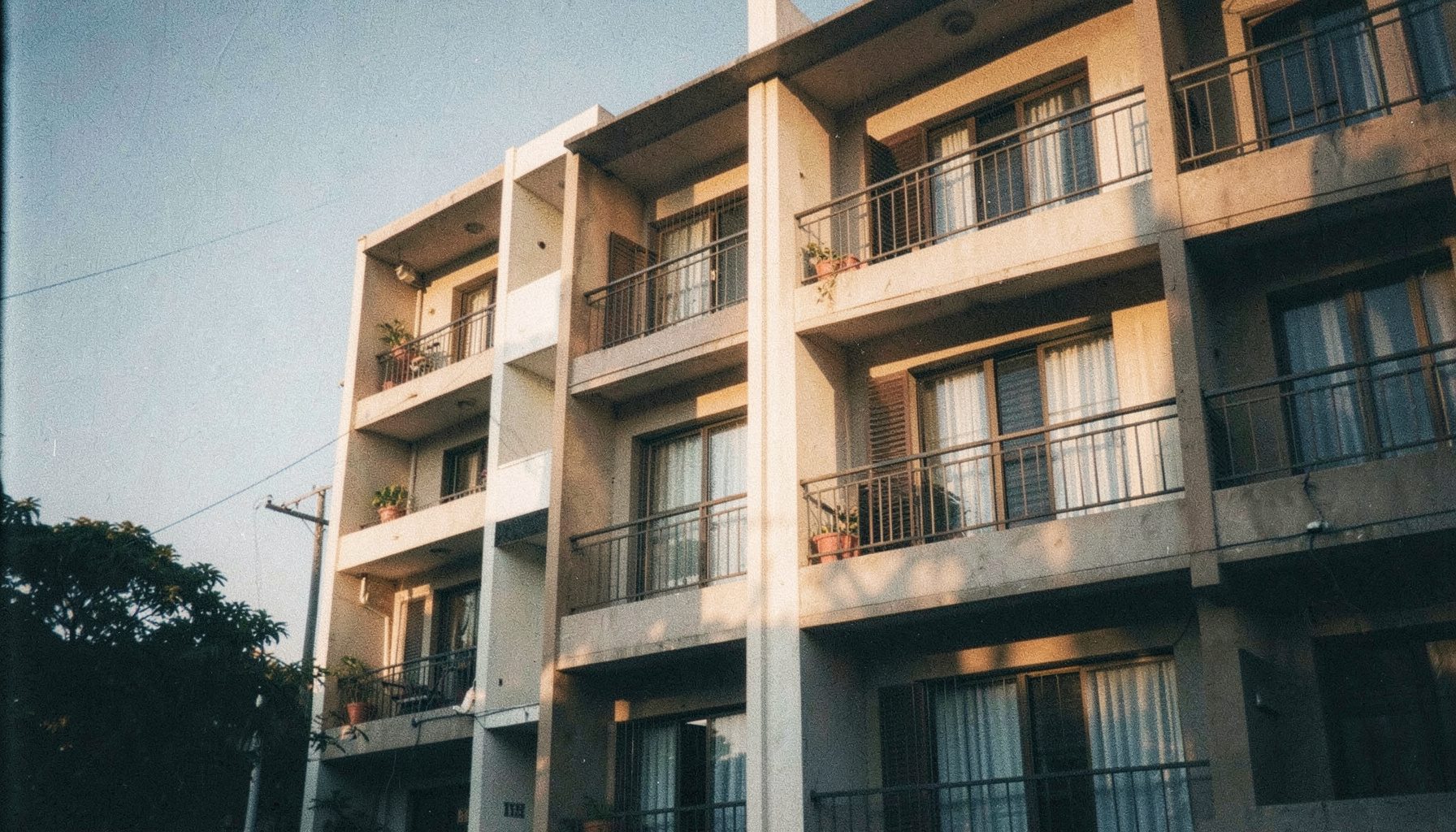
Affordable housing in Palghar: projects below ₹50 lakhs
Palghar’s expanding residential market has made budget ownership possible for buyers who would be priced out of Mumbai. A search for properties below ₹50 lakh can reveal compact flats, new residential projects, resale apartments and small plots across the district. For Australians, ₹50 lakh is roughly A$9,000–A$9,100 when ₹55–₹56 is exchanged for one Australian dollar. That may look modest against typical Australian housing prices, yet it represents meaningful ownership in a fast-growing satellite region.
The appeal lies in Palghar’s combination of lower entry prices, access to employment centres and growing infrastructure. Popular areas include Vasai, Virar, Boisingai, Neral, Palghar city, Alibaug and Dahanu. Buyers need to distinguish a genuinely affordable home from a distant or poorly connected property. BargainFlatsIndia offers filters for new projects, resale homes, rentals, villas, plots and townships, alongside comparison tools and an EMI calculator. Its platform model promotes a zero-brokerage approach to property discovery.
Why Palghar is gaining attention
Palghar lies north of Mumbai, with established transport links running through Vasai and Virar. The district has attracted families seeking more space, renters wanting access to the city and investors attracted by comparatively modest ticket prices. New housing has spread along road and rail corridors, creating a practical advantage over the more expensive central and western suburbs. Even so, “near Palghar” covers a wide range of locations, and distance to a railway station can vary considerably between neighbouring projects.
Alibaug and Dahanu offer a different version of the opportunity. Their coastal locations are attractive for second homes and longer stays, so the available budget stock often consists of plots, bungalows, villas or smaller residential units rather than large apartment towers. Land prices also change sharply according to road access, plot size and development permissions. A cheap plot is not automatically a ready home: construction costs, approvals and the time required to complete a project can add substantially to the initial figure.
Australian buyers will recognise the contrast with Sydney and Melbourne, where suburban houses commonly occupy a much higher price bracket and many residents depend on apartments around railway and tram corridors. Brisbane offers more space for buyers seeking detached homes, although established suburbs can still command seven-figure prices. Palghar provides a comparable choice between space and connectivity, but on a scale where a small flat or modest plot can fit within a fixed budget.
What a ₹50 lakh budget can buy
Budget filters can surface compact 1 BHK and 2 BHK homes, with some newer projects concentrated near transport links and resale listings appearing farther from the railway. A common 1 BHK configuration covers approximately 25–45 square metres of carpet area, while 2 BHK options often extend to 40–70 square metres. These are broad guides rather than fixed rules. A 35-square-metre flat is only about 377 square feet, so comparing carpet area with built-up area is essential when checking advertised prices.
The budget may also be divided between a completed resale apartment and an under-construction home. Completed homes offer immediate possession but can carry a higher sales price. New launches may offer modern layouts and instalment plans, although construction and approval risks remain. A property marketed for ₹50 lakh should not be treated as a ₹50 lakh home purchase. Stamp duty, registration, GST treatment, parking charges and other expenses can increase the amount required, while GST may differ between under-construction and ready-to-move units.
Financing changes the calculation again. After a 20% down payment on a ₹50 lakh property, a ₹40 lakh loan at an illustrative 8.5% interest rate over 20 years would require an equated monthly instalment of roughly ₹35,000. The actual rate and eligibility depend on the lender and borrower. In Australia, buyers often examine borrowing capacity early because a modest loan can consume a large share of household income. The same discipline matters here: the EMI calculator should be combined with maintenance costs, transaction charges and realistic expectations for rental income.
Comparing properties with an Australian buyer’s lens
A useful comparison starts with the total price per usable square metre, not merely the listing price. Two homes with similar headline values can offer very different floor plans, parking access, construction quality and travel times. BargainFlatsIndia’s comparison features and EMI tools help organise these differences. Understanding the platform’s company background also clarifies its operation within Hamilton Greens Pvt. Ltd. and The GTC Group.
Zero brokerage deserves a precise interpretation. In Australia, the vendor generally pays the selling agent’s commission, although the buyer may still incur legal fees through a conveyancer or solicitor. In India, registration, stamp duty and GST can form a more visible part of the acquisition cost, while legal representation is another potential expense. A zero-brokerage listing can reduce search and negotiation costs, but it does not remove the need for independent title checks, contract advice or verification of the seller’s authority to sell.
Australian buyers should also avoid transferring assumptions about home buying from one country to another. Australian purchase costs commonly include duty on the property’s value, while Indian buyers may encounter stamp duty, registration and GST charged according to Maharashtra rules and the status of the development. These costs can affect affordability significantly at the lower end of the market. A practical budget should include the negotiated price, the deposit, every statutory or service charge, loan fees, furnishings and an allowance for unexpected expenses over the first year.
Currency and tax treatment require separate attention. An Australian home loan will not ordinarily finance a purchase in India, so cash, Indian borrowing options and remittance arrangements must be considered independently. Indian tax residency can affect rental income and capital gains, with the Australia–India tax treaty potentially influencing the outcome. Foreign Investment Review Board approval applies when foreign persons acquire residential property in Australia; that regime does not govern the Palghar purchase, but it demonstrates how much the legal position can change with location.
Checking the details behind the price
Title verification should precede any payment beyond a carefully documented booking amount. A local property lawyer should examine the title chain, encumbrances, land-use permissions, conversion certificates, zoning and planned road access. For a new project, confirm its registration with MahaRERA and compare the project details with the agreement to sell. The occupancy certificate matters for a completed building because it indicates authorisation for occupation. These checks can reveal problems that polished photographs and convenient instalment plans conceal.
A site visit is equally useful, particularly during or shortly after the monsoon. Check the actual route from the property to the road, railway station, shops, hospital and school. Look for waterlogging, drainage, dust, construction noise and the condition of nearby plots. An empty sales gallery can make an unfinished neighbourhood appear complete. Ask about water supply, power interruptions, internet coverage, visitor parking and the resident association’s charges. In Australian cities, buyers are accustomed to inspecting covenant, strata and building defects; Indian buyers need the equivalent scrutiny of title, approvals, construction and society obligations.
Broader external commentary should be read with the same care as a seller’s brochure. This independent review may offer one external perspective, but it cannot establish the title, price or build quality of a Palghar project. Evidence about a particular development comes from its official records, contracts, site conditions and the developer’s previous delivery record. Reviews can help identify recurring questions; they cannot replace checks tailored to the property under consideration.
Payment structure deserves close attention. Compare the payment schedule with construction milestones, and confirm whether the developer holds funds in an escrow arrangement or merely in a project account. Pay only through the documented channel, obtain receipts for every transfer and avoid cash settlements or pressure to send money before the agreement is signed. Ask what happens if the project is delayed, the permit lapses or the buyer wants to exit. A clear contractual remedy is more valuable than an optimistic verbal assurance.
Turning a listing into a sound decision
Buying to let and buying to live require different calculations. In Melbourne and Sydney, residential tenancies commonly use a security bond with periodic rent, while many Indian rental arrangements involve a larger upfront deposit and advance rent. Those conventions affect the cash required to begin a tenancy in Palghar. An owner returning to Australia may also need a reliable local property manager, a written maintenance procedure and a realistic allowance for vacancies. Gross rental yield should be assessed after property tax, maintenance, agent fees and management costs.
Before comparing shortlists, define the priorities that cannot be negotiated away. These might include travel time to Mumbai, a particular school, legal possession date, furnishing, parking or a suitable rental market. Record the carpet area, total price, monthly charges, possession date, distance to transport and known approval status in one worksheet. Recheck the budget when the exchange rate moves, because a fixed rupee price can change materially in Australian-dollar terms. Any projected appreciation should be treated as a possibility rather than a promised return.
The rise of affordable housing in Palghar is visible in the number of homes, plots and new developments available below ₹50 lakh. The strongest opportunities combine a workable location with clear approvals and a price that leaves room for the expenses surrounding ownership. For Australian buyers, that means approaching the purchase with the same attention to transport access, legal protection and running costs used in an Australian property decision, while allowing for the distinct rules and realities of the Indian market.