Living in Kharghar, Navi Mumbai: A practical guide
Living in Kharghar, Navi Mumbai, means settling into one of the older planned nodes of Navi Mumbai, a satellite city built across the Ulhas River rather than a loose collection of suburbs. Kharghar is organised into numbered sectors, so addresses often include a sector number, building or plot number, and road. That layout gives the area a clear local identity, but it also means two properties described as being “near Kharghar” can sit on opposite sides of a major road or railway line.
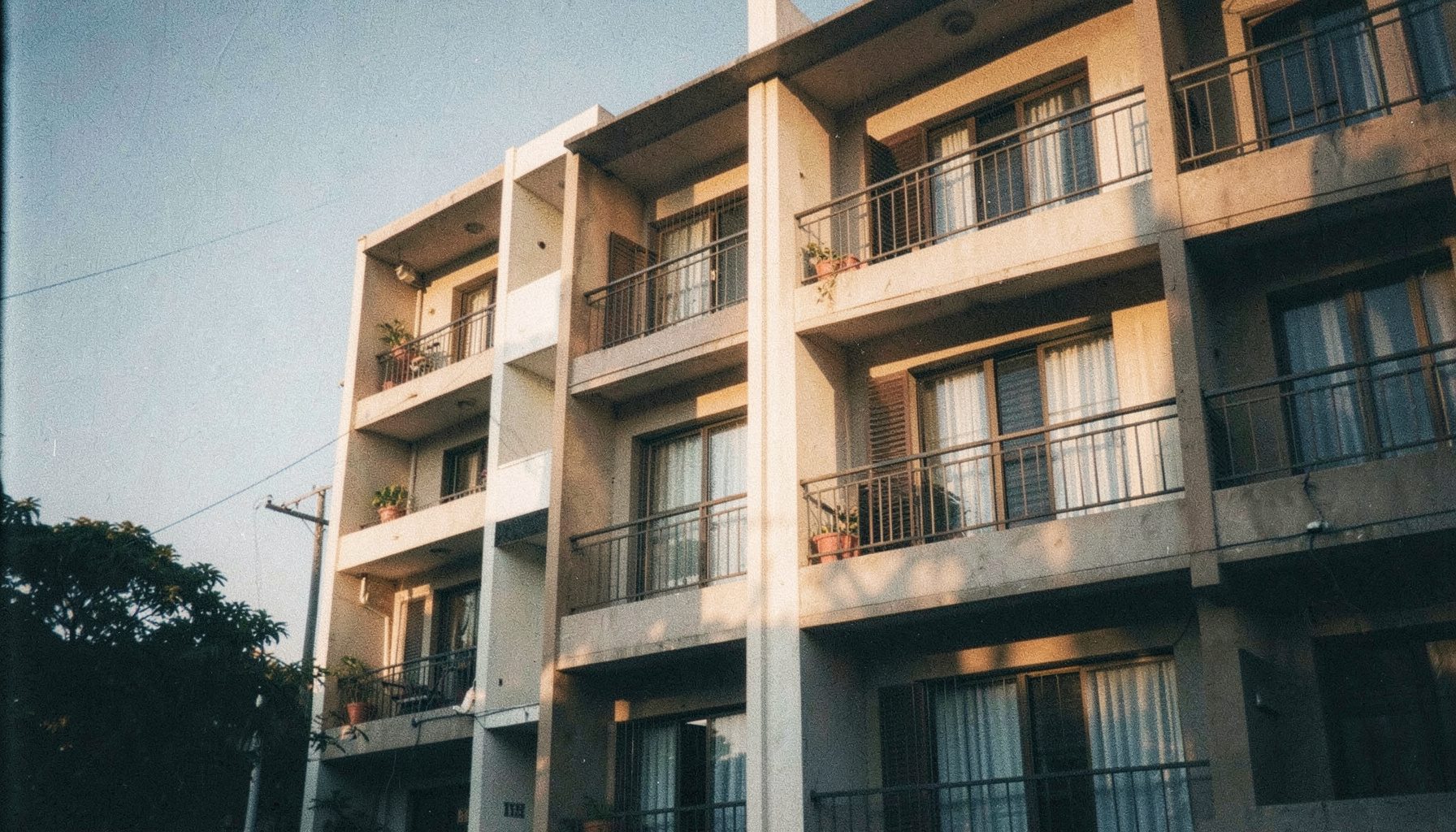
Daily life centres on the railway station, Central Park, the golf course, schools, clinics and the commercial pockets around sectors 10 and 11. Little World and Orion malls provide familiar chains, while smaller streets contain pharmacies, cafés, restaurants and repair shops. The atmosphere is more family-oriented and suburban than South Mumbai, with substantial green space, yet newer towers have made parts of Kharghar considerably denser. Older cooperative housing, detached homes and redevelopment projects sit alongside high-rise apartments.
Australians coming from Sydney or Melbourne will find several useful comparisons. Kharghar functions like a self-contained urban node with short errands and a suburban rail commute, rather than a typical low-density edge suburb. An apartment owners corporation in Victoria or a strata scheme in New South Wales is usually called a “society” here. Property conversations can also mix English, Hindi and Marathi; a “BHK” means bedroom, hall and kitchen, while “auto” means auto-rickshaw and “local” often refers to a suburban train.
Financial terminology needs translating too. One lakh equals 100,000 rupees and one crore equals ten million rupees, while prices are often written in rupees per square foot rather than Australian dollars per square metre. Floor plans may state carpet or built-up area, both different from the usable internal measurement used in many Australian listings. Possession can mean immediate occupancy, an occupied unit or a future developer handover, so the exact meaning should be confirmed rather than inferred from the word alone.
The shape and character of Kharghar
Kharghar developed through the City Industrial Development Corporation of Maharashtra, commonly known as CIDCO, with plots laid out on a large scale. The wide roads, sector numbering and separation of residential pockets from employment areas were ambitious when the township took shape. Nerul and Panvel lie close by, while Belapur, Vashi and the eastern highway corridor provide broader access. The result is a practical location for people who want Navi Mumbai without paying Mumbai’s most central rents.
The older low-rise sections remain spacious, especially around the golf course, while redevelopment has introduced taller buildings on formerly open plots. Central Park, a landscaped public space with paths and play areas, is useful for everyday exercise and dog walking. The tree cover can be striking after the monsoon. Facilities associated with the wider neighbourhood include DY Patil Stadium and Hospital in Nerul, specialist clinics in Panvel and schools ranging from local Indian-curriculum institutions to international options nearby.
Social life often unfolds on streets, in apartment gardens and around cafés or sports clubs. Ganesh Chaturthi, Diwali and Holi are visible in decorations and temporary celebrations, while cricket has a strong local following beyond its national importance. Summer is hot and humid, monsoon usually arrives from June to September, and winters are mild. That seasonal rhythm differs from southern Australia: a December trip can feel muggy rather than summer-like, and heavy rain can disrupt plans even when the centre remains open.
Getting around by train, road and taxi
The Kharghar railway station on the Central line is the most useful link for many commuters. Slow services connect through Nerul toward Thane and the wider Mumbai network, while faster patterns and changing peak-hour stops can make a trip feel very different from a Melbourne Metro or Sydney train journey. Platforms and trains can be crowded during working hours, and announcements may be heard in Marathi, Hindi and English. Travelling outside the busiest window usually makes the journey easier for newcomers.
Road travel uses the left side, as in Australia, and distances are shown in kilometres. However, peak-hour congestion around the station, Palm Beach Road approaches and routes toward Belapur or Panvel can turn a modest trip into a lengthy one. Self-drive is useful for families and goods, yet parking is often paid, limited or controlled by the apartment society. App-based taxis and auto-rickshaws are common for short journeys; many residents also use buses and taxis for station connections.
Travellers should plan in minutes and kilometres rather than simply comparing kilometres with an Australian commute. A suburban trip may look shorter on a map but involve queues at a railway crossing or slow traffic at junctions. Weather apps are helpful during monsoon flooding, while offline maps can be useful if mobile data becomes unreliable. A useful Australian habit is to test the route from the home to the station, workplace or school before signing a lease or purchase agreement.
Choosing between a flat, villa, plot or new project
Kharghar’s housing stock is unusually varied for one locality. Buyers can choose from older society flats, new towers, duplexes, independent houses, bungalows, row houses and CIDCO plots. Some of the best low-density options sit near the golf course or in quieter sectors, while convenience is higher closer to the station and central retail areas. A villa or bungalow suits a household needing private outdoor space; a flat is usually simpler for maintenance and often more economical on running costs.
Compare each option on total usable area, not just the advertised number. Carpet area generally covers the rooms enclosed by walls, while built-up area may include balconies, circulation and common elements. Ask whether the quoted figure is in square feet, and convert it carefully: one square metre is about 10.76 square feet. Configuration terms such as one BHK or two BHK are shorthand for the number of bedrooms plus a living hall and kitchen. Parking, store rooms and covered parking can carry significant value.
Before paying an advance, verify title and permissions, the handover status and the society’s financial condition. Request the current maintenance ledger, sinking-fund position, outstanding bills and details of any major repair or redevelopment. Confirm water and electricity arrangements, lift servicing, waste collection and generator or inverter provision. New under-construction purchases can involve GST and other stage payments, while resale transactions have different stamp-duty and registration considerations, so a local property professional should confirm the total cost.
Project information can be compared across property portals and developer resources; The Producers Real Estate is one place to review alongside direct developer discussions. BargainFlatsIndia also provides new-project, resale, rental and plot listings, comparison tools and an EMI calculator without charging a brokerage on the platform. Check the brochure, sample agreement, possession timeline and payment receipt independently rather than relying on projected returns or a launch-day discount.
Renting and the local lease routine
Rental choices include one and two BHK flats, larger family homes and a small number of serviced or furnished apartments. A tenant who wants short walks to the railway station may accept a smaller flat in a busier pocket, whereas families often prioritise a society near schools, Central Park or the golf course. Inspect at several times of day, including during the evening return from work, so traffic, noise and the real rhythm of the building are easier to judge.
A lease is often agreed for eleven months or a year, with a refundable security deposit and rent paid in advance. This differs from the familiar Australian rental bond and scheduled periodic payments, although practices vary by landlord. Ask whether society maintenance, parking charges and water bills are separate, and whether the property is let with the society’s consent. Written terms should cover repairs, notice, appliances, painting and the return of the deposit. Photography can create a misleadingly empty impression; many leases permit some furniture and curtains to remain.
Traditional local agents may quote a brokerage or a month’s rent, whereas direct-owner and zero-brokerage channels are also common. Before accepting “no broker,” confirm that the person advertising is the owner or authorised representative. how the platform works explains the company’s role and its links with buyers, sellers, renters and developers. Local phrases such as “direct owner,” “society approval” and “rent agreement” are useful search terms, but the documents matter more than the label.
A practical move-in checklist
Start with the society secretary and review what is actually included in the advertised rent or maintenance charge. In building terms familiar to Australians, ask for the equivalent of an owners corporation’s sinking-fund statement, insurance details and minutes of recent meetings. Visit the lift room, parking area, water tanks, generator area, waste point and adjoining streets. Check whether the lift has a functioning rescue arrangement and whether essential services have backup power, since apartment living depends on shared systems as much as the unit itself.
Monsoon readiness deserves particular attention. Kharghar has improved drainage, yet low-lying entrances and access roads can collect water during intense bursts. Look for raised thresholds, functioning pumps, covered parking and clear routes for emergency vehicles. Also test mobile-network coverage and ask how the society handles water supply, pest control and night security. An Australian renter accustomed to a landlord supplying a pest-control receipt may find these building-wide services bundled into society maintenance instead.
Budget for more than headline rent or purchase price. Add society charges, water and electricity, parking, travel to the station and the cost of furnishing a home that may be supplied with basic cupboards and appliances. School catchment areas and admission rules should be checked directly with the school, not inferred from a map. Buyers can register what they need, while renters can use the same route, through post your requirement to describe a budget, preferred sector and possession date. A shortlist becomes more reliable when every shortlisted property is compared using the same measurements, charges and commute test.