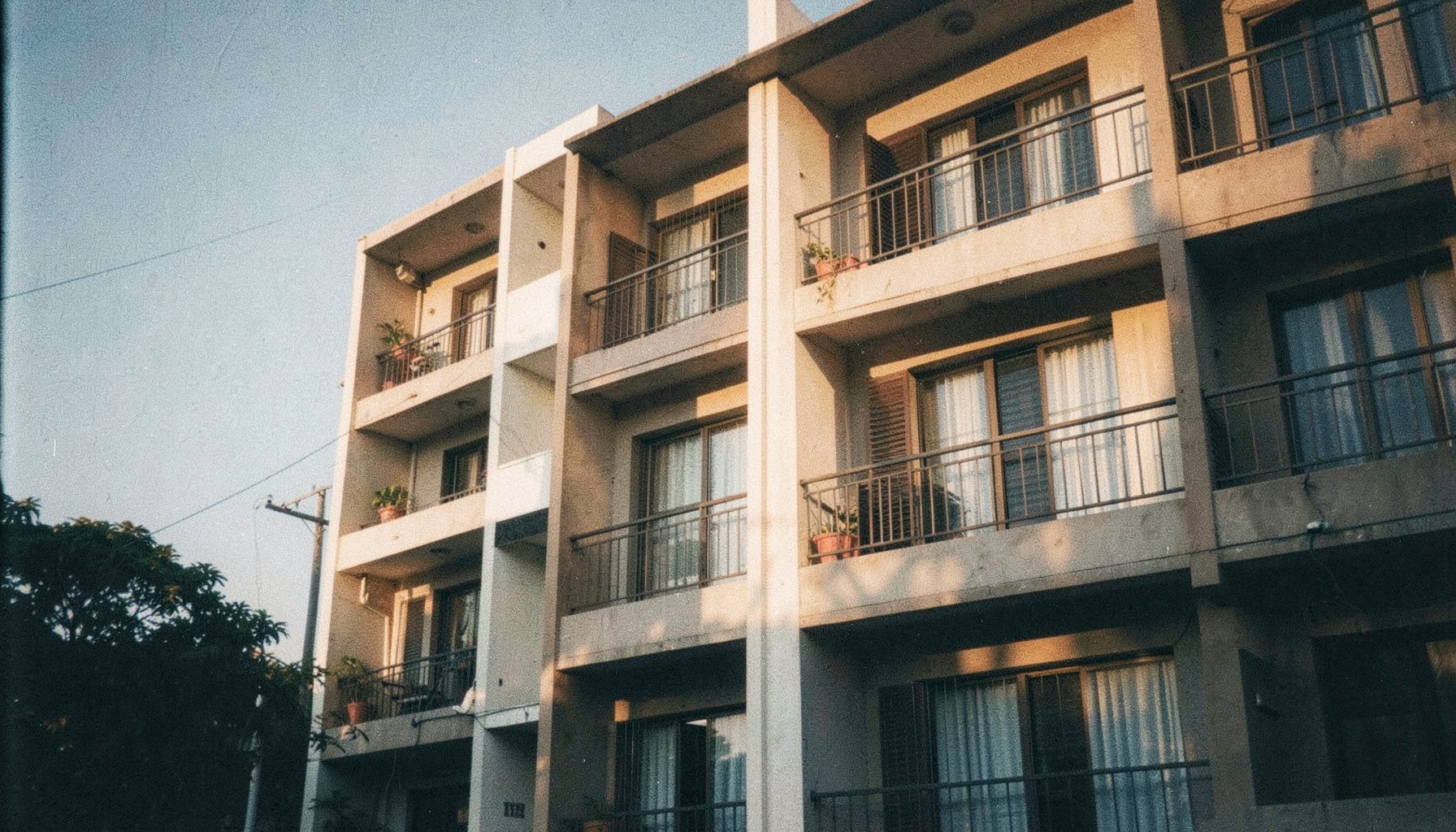
The future of real estate in New Mumbai: projects to watch in 2025
New Mumbai, more commonly known as Navi Mumbai, is moving into a new phase of urban growth. The planned city already has established nodes such as Vashi, Nerul and Belapur, while newer areas including Ulwe, Panvel, Kharghar, Taloja and Dronagiri are being reshaped by transport infrastructure, employment hubs and large residential developments.
For Australian buyers, the opportunity is easy to understand: compare the entry price of a modern apartment in Navi Mumbai with property values in Sydney, Melbourne or Brisbane, then consider the city’s connection to Mumbai’s jobs, ports and business districts. The comparison needs care, though. Indian property titles, taxes, construction standards, approvals and ownership rules work differently from the Australian system.
The strongest opportunities in 2025 are likely to be linked to connectivity rather than simply the newest tower. Navi Mumbai International Airport, metro extensions, the Mumbai Trans Harbour Link and the NAINA planning region are changing how buyers assess distance, liveability and future rental demand. These projects deserve close attention when reviewing flats, apartments, plots and new township developments.
Why Navi Mumbai is entering a new growth cycle
Navi Mumbai was designed as a collection of planned nodes rather than a single congested centre. This gives several localities wider roads, more open land, organised commercial areas and a clearer separation between residential and industrial zones. Vashi and Nerul are mature markets, while Panvel and Ulwe have become important links between established neighbourhoods and the next generation of urban expansion.
The city’s attraction also comes from its position within the Mumbai Metropolitan Region. Residents can access major employment centres while choosing a lower-cost home than they might find in central Mumbai. The result is a broad buyer base: first-home purchasers, investors, families upgrading to larger apartments, non-resident Indians and people working near logistics, technology, education or airport-related businesses.
Australian buyers may recognise the pattern from growth corridors around Melbourne’s west, Sydney’s north-west or Brisbane’s outer suburbs. Infrastructure can improve a suburb’s appeal, but it does not automatically create a reliable investment. Walkability, water supply, schools, public transport frequency, building management and the quality of the surrounding neighbourhood still matter.
Navi Mumbai International Airport and the Ulwe corridor
The Navi Mumbai International Airport is the most closely watched catalyst in the region. Its development is expected to strengthen the Ulwe, Dronagiri, Panvel and surrounding corridors by improving access for passengers, businesses, logistics operators and hospitality services. Airport-linked growth can support demand for homes, serviced apartments, staff accommodation and retail space, although the timing of benefits will vary by location.
Ulwe is particularly important because it sits close to the airport zone and has attracted substantial new apartment construction. Buyers should distinguish between a property that is genuinely well connected and one that is simply marketed as “near the airport”. Travel time at peak periods, access roads, drainage, completed civic amenities and the distance to functioning shops or schools can make a large difference to day-to-day value.
Panvel offers a broader mix of established services, transport connections and residential projects. It may suit buyers seeking a more developed environment, while Ulwe and Dronagiri can appeal to those prepared to hold a property through a longer growth cycle. Rental demand should be assessed against actual tenant profiles rather than assumed airport demand, particularly while airport operations and nearby commercial activity are still scaling up.
Transport projects reshaping property demand
The Mumbai Trans Harbour Link has changed the conversation around connectivity between Navi Mumbai and Mumbai. By reducing travel time across the harbour for many journeys, the bridge improves the relationship between nodes such as Ulwe, Panvel and the Mumbai side. Its practical value will depend on traffic patterns, toll costs, road access and the location of a particular project, so buyers should test realistic commuting routes rather than rely on headline travel times.
Metro expansion is another major factor. The Navi Mumbai Metro has been developed in stages, with connections around Belapur, Kharghar, Taloja and Pendhar drawing attention to areas that were previously more dependent on roads and buses. A home within practical walking or feeder distance of a functioning station may hold stronger appeal than a project that is merely described as “metro adjacent” in promotional material.
For someone used to Australian transport planning, the distinction is similar to comparing a home near a working Sydney Metro station with one advertised as being close to a proposed line. The second property may eventually benefit, but its present value should be based on existing access. Check station opening dates, last-mile transport, parking requirements and whether the route serves the places residents actually need to reach.
Residential projects and localities to watch
Kharghar remains one of the more established residential areas to monitor because it combines apartments, educational institutions, retail facilities, recreation and access to major roads. It has a wider range of resale homes than some newer nodes, making it useful for comparing the price and quality of completed properties with under-construction developments. Hills, open areas and planned infrastructure add to its appeal, although traffic and project-specific construction activity need inspection.
Taloja has attracted attention for its comparatively accessible apartment prices and metro-related potential. It can suit value-focused purchasers, but environmental conditions, industrial activity, road congestion and civic infrastructure should receive close scrutiny. A low purchase price does not compensate for weak liveability if a home has poor ventilation, difficult commuting conditions or limited daily services.
Ulwe and Dronagiri represent the more forward-looking part of the market. Their appeal is tied to the airport, new roads and the wider NAINA region, where planned expansion could support future housing and commercial development. Investors considering these areas should be comfortable with a longer holding period and should verify the exact planning status, title documents, approvals and handover timetable before committing funds.
Panvel and nearby areas may offer a balanced option for buyers wanting access to transport, established amenities and a wider range of residential formats. New apartment projects, villas, plots and integrated townships appear across the wider belt, but the quality of developers and infrastructure varies. A property comparison should include the total cost of ownership, not just the advertised rate per square foot.
What overseas buyers should verify before purchasing
An Australian resident buying in India needs to establish whether they are an Indian citizen, an overseas citizen of India or a foreign national, because eligibility and documentation can differ. Non-resident Indians and OCI cardholders generally have broader rights to purchase residential and commercial property than foreign nationals without Indian status. Professional legal and tax advice is essential before paying a booking amount, especially where the proposed purchase involves land, development rights or a jointly held asset.
The transaction costs also need careful modelling. Buyers may encounter stamp duty, registration charges, goods and services tax on certain under-construction properties, legal fees, loan costs, maintenance deposits and developer-related charges. Australian buyers should convert the full budget into Australian dollars and allow for exchange-rate movement rather than evaluating only the rupee price.
Australian property language can cause confusion. An Indian apartment may involve a residents’ association, maintenance charges and shared facilities that resemble strata arrangements, but the legal documents and management practices are not identical to an Australian body corporate. Ask for the sale agreement, approved plans, occupancy or completion documentation, title records, construction specifications and a schedule of recurring charges.
Inspection is equally important. A video tour can show finishes, but it may not reveal water pressure, lift reliability, noise, monsoon drainage, power backup, mobile coverage or the condition of common areas. An independent lawyer and property inspector can provide a level of verification that a remote buyer cannot achieve from brochures alone.
Comparing returns, risk and long-term value
Rental yields in Navi Mumbai should be calculated using achievable rent, vacancy periods, maintenance charges, property management costs, local taxes and furnishing expenses. Airport proximity may support demand from some tenants, while metro access, schools and employment hubs may matter more for families. A property with a slightly lower headline yield can be stronger if it has dependable occupancy and lower repair costs.
Capital growth is also location-specific. Mature areas such as Vashi, Nerul and Kharghar may offer established services and resale liquidity, while Ulwe, Dronagiri and Taloja may provide greater scope for infrastructure-led appreciation with additional execution risk. Buyers should compare completed resale transactions, current listings and the supply of competing new apartments before estimating future value.
BargainFlatsIndia brings together listings for new projects, resale homes, rentals, villas, plots and apartments across Navi Mumbai and nearby markets. Its search, comparison and EMI tools can help an overseas buyer create an initial shortlist, while the platform’s zero-brokerage positioning may make the early research process more transparent. Anyone ready to advertise a property can use the property listing service, provided the listing contains accurate details and supporting documents.
Currency risk deserves a separate line in the calculation. Australian buyers may be paid in dollars while the property, rent and loan are denominated in rupees. Changes in the AUD-INR exchange rate can affect the effective purchase price, repayments and eventual sale proceeds. This is particularly relevant for buyers comparing a Navi Mumbai apartment with an Australian investment property subject to stamp duty, land tax and strata expenses.
A practical 2025 buying framework
Start by choosing the purpose of the purchase: a future home, a rental investment, a retirement base, a family asset or a long-term land holding. The right locality changes with that purpose. A family may prioritise schools and established roads, a commuter may focus on metro access, and an investor may place greater weight on tenant demand and resale liquidity.
Next, compare projects using the same set of criteria. Record the carpet area rather than relying only on the larger super built-up figure, then add parking, floor level, orientation, maintenance charges, possession date, builder history and nearby infrastructure. Check whether the promised amenities are completed, funded and legally approved. A spreadsheet in Australian dollars can make competing properties easier to evaluate.
Use established corporate and developer information as a second source of verification, not as a replacement for legal due diligence. Background research on the wider group behind a development can begin with The GTC Group, while project-specific approvals, title records and agreements should be checked through independent professionals and official authorities.
A sensible shortlist for 2025 might include a completed or near-completion apartment in Kharghar or Panvel, a metro-connected opportunity in Taloja, and a carefully documented airport-influenced project in Ulwe or Dronagiri. Comparing these different risk profiles gives buyers a clearer view of whether they are paying for current liveability, future infrastructure or a combination of both.