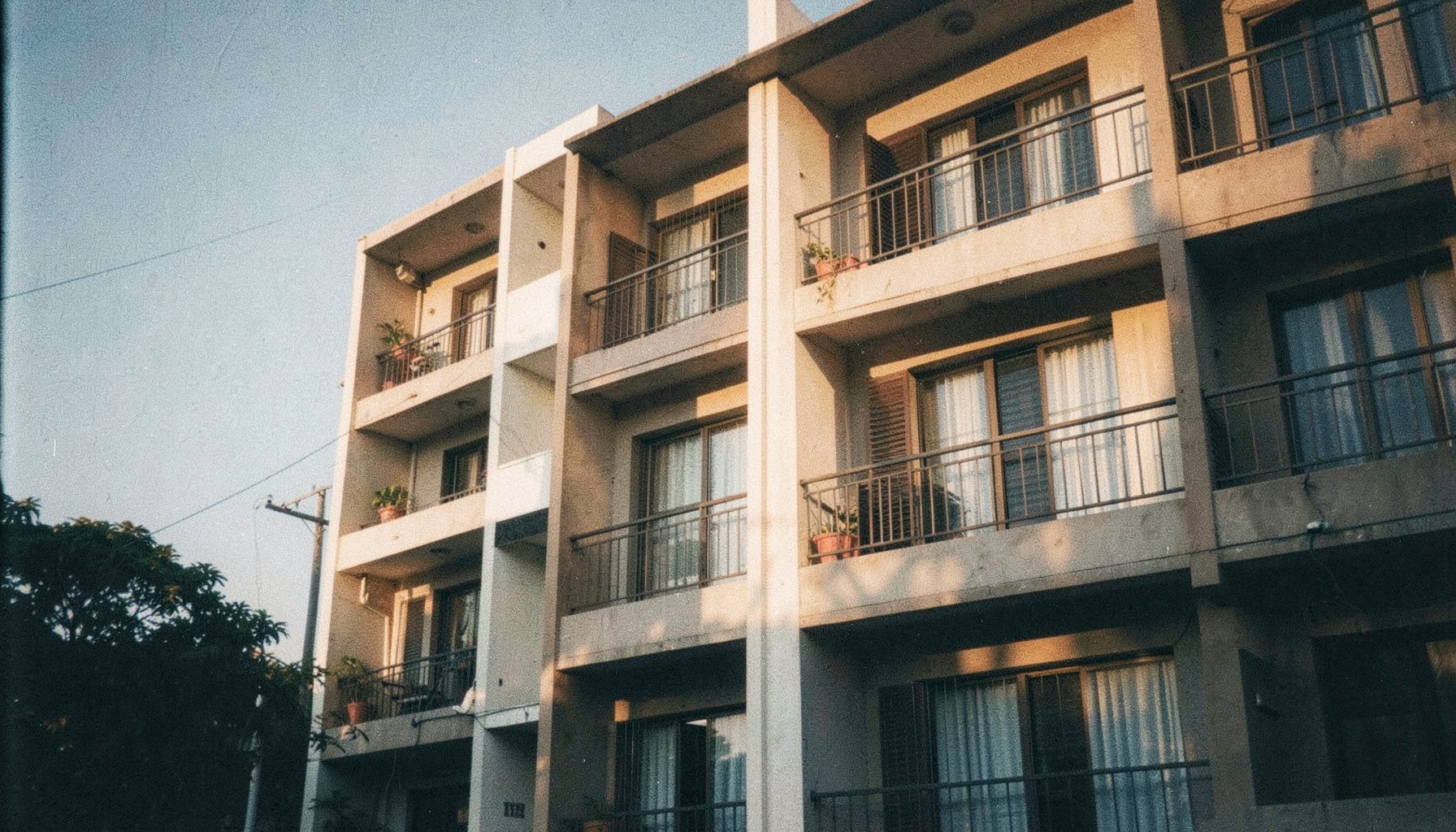
Understanding Carpet Area and Why It Matters When Buying a Flat
Many Australians looking at property abroad find the Indian real estate terminology confusing at first. Terms like carpet area, built-up area, and super built-up area sound similar but hide significant differences in actual usable space. Getting the definitions wrong can cost a buyer real money, especially when comparing remote apartments across Australia with what they see listed in Mumbai, Pune, or Navi Mumbai. Learn more about The Role Of Sovereign Wealth Funds In Mongolia S Commercial Real Estate Notes.
This is particularly relevant for Sydneysiders, Melburnians, or Brisbane buyers comparing their local apartment sizes with what they see in Indian brochures. A 1,000 square foot flat in India often feels much smaller than a 1,000 square foot apartment in Sydney's CBD. The sections below unpack carpet area in plain language, explain why it shapes the final price, and show how an informed buyer can avoid the most common traps. Learn more about Bargainflatsindia.com.
What Carpet Area Actually Means
Carpet area is the net usable floor space inside a flat, measured wall-to-wall. It excludes the thickness of the inner walls themselves but does include the area covered by a partition or fixed wardrobe. In other words, it is the portion of the home where an actual carpet could be laid, hence the term. Learn more about Contact Us.
This measurement matters because it represents the space a family actually lives in. Hallways, the area taken up by internal walls, and the nooks behind doors are all part of carpet area. Balconies, verandas, utility ducts, lift shafts, staircases, and structural columns are not. A typical one-BHK flat in Navi Mumbai with a 450 square foot carpet area is genuinely around 450 square feet of usable room, even though the developer might advertise a higher figure elsewhere on the same brochure.
The definition comes from the Real Estate (Regulation and Development) Act, 2016 in India, commonly known as RERA. Under this law, carpet area must be disclosed as the basis for all transactions, and developers are forbidden from charging for unusable space. Australian buyers will recognise the parallel with the strata lot entitlement used in New South Wales and Queensland, where the proportion of a lot determines voting rights and contributions, but the actual floor space is what residents can walk through each day.
Built-up Area, Super Built-up Area, and the Gap Between Them
Built-up area is the carpet area plus the thickness of external walls and the area occupied by internal partitions. In a typical project, the built-up area runs around 10 to 15 percent higher than the carpet area. Super built-up area goes further still, adding a proportion of common areas like the lobby, lift shaft, staircase, and amenities. The loading factor on common areas can range anywhere from 15 to 35 percent, depending on the project, the number of towers, and the density of shared facilities.
This is the number most developers used to advertise before RERA tightened the rules. A flat marketed as 1,200 square feet in the older style might have a carpet area closer to 800 square feet. Many Australians visiting property exhibitions in Melbourne during the annual Indian Property Show have been surprised by how the same unit looks dramatically smaller than the brochure suggested when they step inside.
A useful mental model is comparing this with how apartment sizes are quoted in older Brisbane or Adelaide stock. In some of those older blocks, the quoted figure includes balcony and car space, so the liveable floor area is smaller than what the marketing material implies. The RERA framework in India now forces a like-for-like comparison, but pre-RERA stock still lingers in resale listings. Buyers should always ask which measurement is being quoted before drawing any conclusions.
Why Carpet Area Shapes Every Other Decision
The headline price of a flat, the home loan amount, the EMI, the stamp duty, and the registration fees are all driven by the area metric used in the agreement. If the developer quotes a per-square-foot price on super built-up area, the buyer ends up paying for shared spaces they will never use. Switching the basis to carpet area often reduces the effective price by 10 to 25 percent without changing the actual flat delivered.
For a household budgeting in Sydney money or Perth money, this difference can mean hundreds of thousands of dollars over a 20-year loan. An Australian buyer exploring Indian markets should also be aware that exchange rate movements and the Foreign Investment Review Board process can add layers to the cost. The Reserve Bank of Australia publishes daily reference rates, and most banks require FIRB clearance before remitting large sums abroad, even for residential property.
There is also a livability angle. A flat with 850 square feet of carpet area and a well-designed layout often feels more comfortable than a 1,100 square foot super built-up unit where rooms are narrow and circulation space is tight. Buyers relocating from Melbourne apartments, where open layouts are prized, may find Indian configurations cramped unless they insist on the carpet figure during every site visit.
How to Read Listings and Compare Projects
A disciplined approach helps when comparing two flats of similar advertised size. First, ask for the carpet area in writing. RERA mandates that builders share this figure in the agreement, so any reluctance should be treated as a red flag. Second, check the RERA registration number of the project on the state authority website, which lists approved plans, sanctioned area statements, and the developer track record.
Third, calculate the efficiency ratio, which is the carpet area divided by the super built-up area. A ratio above 70 percent is considered healthy, anything below 65 percent suggests the loading on common areas is excessive. Australian buyers familiar with efficiency discussions in apartment reviews in Perth and Adelaide will recognise this calculation. It is the same logic that informs strata reports here, where owners scrutinise the proportion of common property versus exclusive use area.
Platforms that aggregate verified listings make the comparison easier. BargainFlatsIndia, for instance, focuses on residential markets such as Mumbai, Navi Mumbai, Pune, Raigad, Palghar, and Lonavala, and uses the carpet area as the consistent reference point. For anyone exploring options in these corridors, starting from a single, standardised measurement removes a great deal of confusion and helps cross-state comparisons fall into place quickly.
Common Traps and How to Avoid Them
One of the most common traps is the inclusion of dry balconies, flower beds, and certain utility areas in the carpet area definition under some older interpretations. While RERA has tightened the rule, older stock may still use such inclusions. Buyers should physically measure rooms with a laser tape during a site visit, then compare those numbers against the brochure.
A second issue arises in resale transactions, where earlier agreements used super built-up area as the basis. Refinancing in such cases can be tricky because banks base loan eligibility on the agreement value, not the actual usable space. Independent verification helps, and research pieces such as this sovereign wealth fund analysis show how third-party scrutiny reveals hidden loadings in real estate deals elsewhere.
A third issue is parking. Parking spaces are usually sold separately in Indian projects, not bundled into the carpet area. Australian buyers used to stratas where car space is part of the lot should be ready for this difference. A 1.5 crore flat might come with a 10 lakh parking sticker added on, and the combined figure should be analysed in terms of usable carpet, not headline area.
Verifying the Numbers Before You Commit
Before signing, request the approved building plan from the developer, along with the area statement and the carpet area calculation sheet. Compare these against the agreement draft line by line. If the figures do not reconcile, raise a written query and wait for a written reply before transferring any earnest money or booking amount.
Visit the site in person if at all possible. A walk through the actual flat at slab or finishing stage gives a much clearer sense of room proportions than any rendering or sample flat. Inspect the location of columns, the width of corridors, and the placement of windows, since these affect how the carpet area actually feels. For cross-border buyers who cannot visit often, hire a local project management consultant or a third-party inspection service.
If anything remains unclear after these steps, the developer or agent should be willing to clarify in writing. Direct queries through the BargainFlatsIndia contact-us page can help buyers reach a verified representative, especially for projects in Mumbai, Navi Mumbai, Pune, and the surrounding corridors. A reliable developer will never object to a clear, written answer about carpet area, and that response, or the absence of one, often tells the buyer more than any glossy brochure ever could.