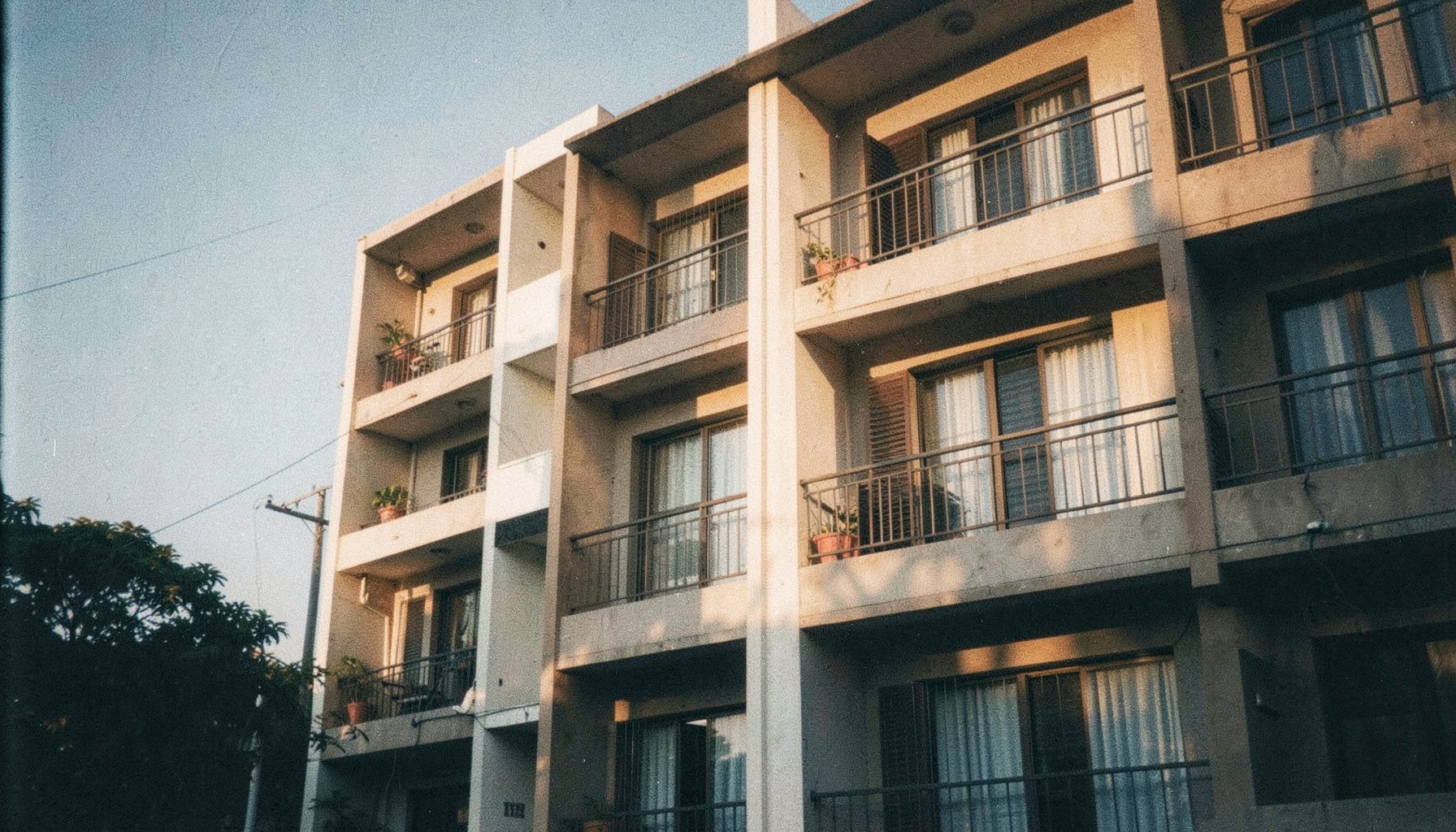
Weighing a plot in a gated community against an independent one
Australians of Indian heritage often think about property back home, especially those settled in suburbs like Harris Park, Parramatta, or Glen Waverley where weekend cricket is punctuated by conversations about land prices near Pune or Hyderabad. Whether you're a first-generation migrant wanting a foothold in the homeland or a retiree planning a quieter life abroad, the choice between a plot inside a gated community and one that stands alone carries real weight. Both routes come with trade-offs around security, price, flexibility, and long-term value, and the right answer depends on what you actually want from the land.
This comparison draws on the realities of the Indian residential market while keeping Australian buyers in mind. Australians tend to think in terms of "blocks" of land, body corporate fees, and council approvals, so the Indian equivalents of layout approvals, maintenance charges, and RERA registration will feel familiar in spirit even if the paperwork looks different.
Why a plot in a gated community draws attention
A gated community plot sits within a master-planned layout where roads, parks, water lines, and electricity have already been arranged by the developer. For Australian buyers who value order and predictability, this is appealing. You know exactly where the entrance will be, where the boundary walls run, and what the neighbouring built form will look like.
Security is another strong draw. Most gated layouts come with controlled entry points, CCTV, and sometimes a 24-hour guard presence. Buyers who have lived in apartment complexes across Sydney or Melbourne will recognise the appeal of this setup. Modern projects often include security intercom systems and round-the-clock guard details that mirror the standards seen in high-rise living across Asia, and Indian gated communities are catching up quickly.
Resale value also tends to be stronger inside an established gated layout. Buyers pay a premium for ready infrastructure and a recognisable name, which means your land usually holds value better than a similar standalone block on the outskirts of town.
Where gated community plots fall short
The flip side is cost. You pay for the amenities, the landscaping, and the brand, often through a higher per-square-foot rate. There are also ongoing maintenance charges that cover common areas, lighting, and security. Australians used to quarterly body corporate levies will understand the structure, but in India these fees can rise unpredictably as the residents' association evolves.
Construction rules can feel restrictive. Most gated communities enforce building guidelines covering facade, height, setbacks, and sometimes even the colour of boundary walls. If you want to design a unique home with a sprawling lawn or a rooftop solar array, the layout's rules may push back.
Another consideration is exit flexibility. Selling a plot inside a gated community usually means the buyer also has to comply with the layout's transfer process, which can involve NOC letters, association clearances, and a waiting period. Independent plots transact more freely.
The pull of an independent plot
An independent plot offers freedom that gated layouts cannot match. You decide the orientation, the boundary treatment, the setback, and the design vocabulary. For buyers who grew up watching Grand Designs on SBS or who have spent weekends inspecting builds in the Adelaide Hills, this creative latitude matters.
Price is often lower, especially on the periphery of growth corridors near places like Raigad or Palghar. Developers selling independent plots usually avoid the infrastructure cost of internal roads, parks, and clubhouses, and that saving flows to the buyer.
Independent land also tends to appreciate faster in emerging micro-markets. Once a new road, metro line, or industrial corridor is announced nearby, the price jumps, and you capture the full upside because there is no middleman taking a slice for amenities you didn't ask for.
Limitations of buying independent land
The biggest risk with an independent plot is the absence of basic infrastructure. Water connections, sewer lines, electricity poles, and approach roads are sometimes promised but not delivered. Australian buyers who remember the land boom warnings from the early 2000s should treat verbal promises with caution and insist on physical verification.
Legal title issues are also more common with standalone plots. Encroachments, missing title deeds, pending litigation, and agricultural land classifications can derail a purchase. RERA registration has cleaned up much of this, but plots outside registered projects still carry higher risk.
Resale can be slower. Without the draw of a known project name or shared amenities, marketing an independent plot requires more effort, and the buyer pool is narrower.
Legal and documentation realities for Australian buyers
Buying land in India from Australia is logistically harder than buying a flat. You cannot rely on a quick weekend inspection or a builder's display suite in Chatswood. Most buyers appoint a local representative or a lawyer to handle physical visits, title searches, and registration.
Documents to check include the sale deed, mother deed, encumbrance certificate, layout approval from the local planning authority, RERA registration for projects under development, and the latest property tax receipt. For agricultural land, verify the conversion status to non-agricultural use, as this affects transferability to non-farming buyers.
Money flow deserves attention. Liberalised remittance rules under the LRS scheme allow Australian residents to send up to USD 250,000 per financial year for property purchase, but the route through authorised dealer banks and FEMA compliance must be observed. Keep Form A2 ready and retain every receipt.
Making the choice that fits your goals
The right answer depends on whether you want a turnkey lifestyle or maximum control. If you value security, predictable infrastructure, and easier resale, a gated community plot delivers, and the premium pricing reflects real value. If you want lower entry cost, full design freedom, and exposure to an appreciating micro-market, an independent plot is the smarter bet, provided you do your due diligence.
For Australian buyers with family ties back home, a common compromise is to start with an independent plot in a high-growth corridor and treat any future move into a gated layout as an upgrade rather than a default. You can browse current options on the bargainflatsindia.com/project-search page to compare what each option looks like in practice.
Before signing anything, walk the plot at different times of day, speak to existing residents if it is part of a layout, and verify every approval letter. Whether you choose the gated route or the independent one, the land you pick should suit the life you actually plan to live.
Practical pointers before you commit
- Visit the site physically or send a trusted representative rather than relying on drone footage alone.
- Cross-check layout approvals with the local municipal authority, not just the developer's office.
- Budget for both stamp duty and registration costs, which are usually 7 to 10 percent of the agreement value.
- Confirm RERA registration for projects still under development and verify the completion timeline.
- Negotiate maintenance terms in writing, including the cap on annual increases.
- Keep your foreign remittance documents safe for at least five years to satisfy future tax queries.
- Speak to a chartered accountant familiar with NRI property taxation before finalising the deal.